Easy Frosé
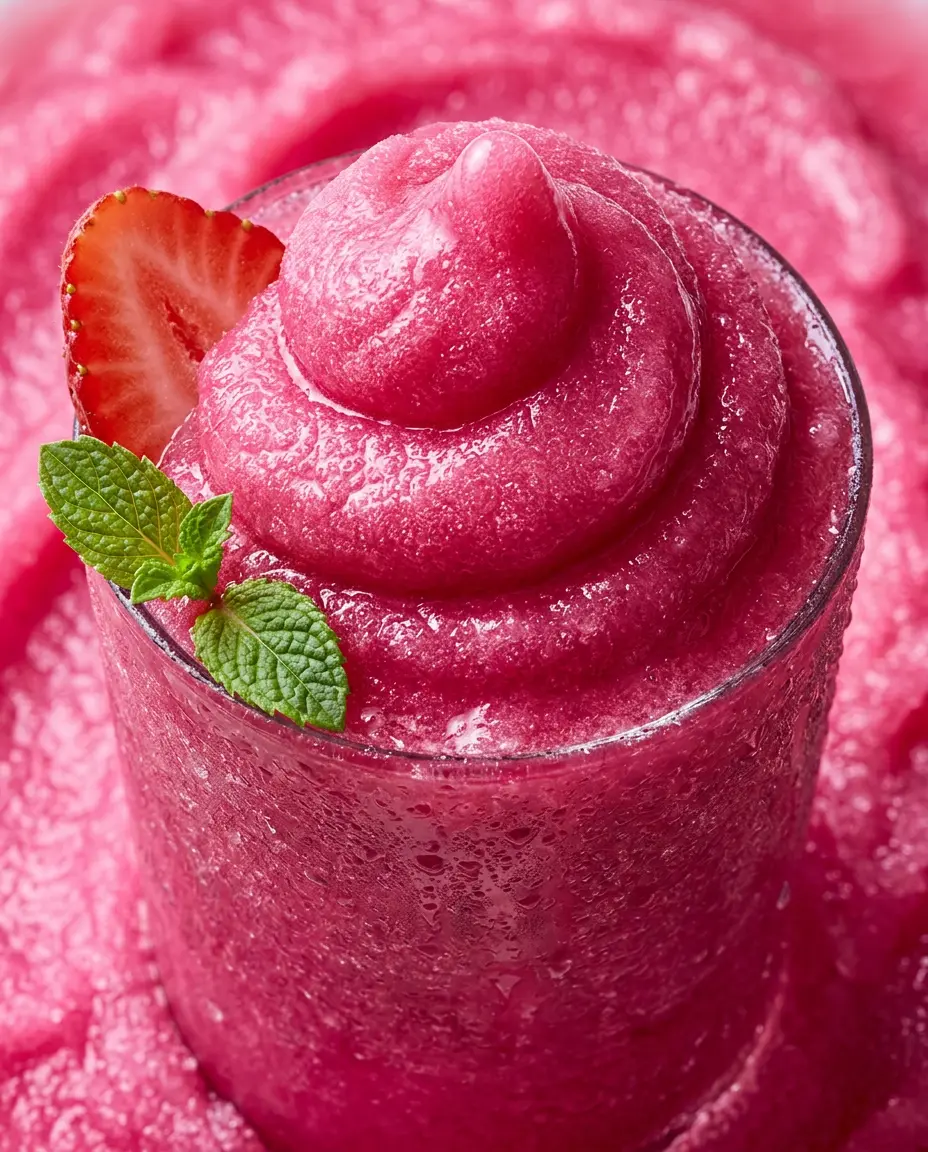
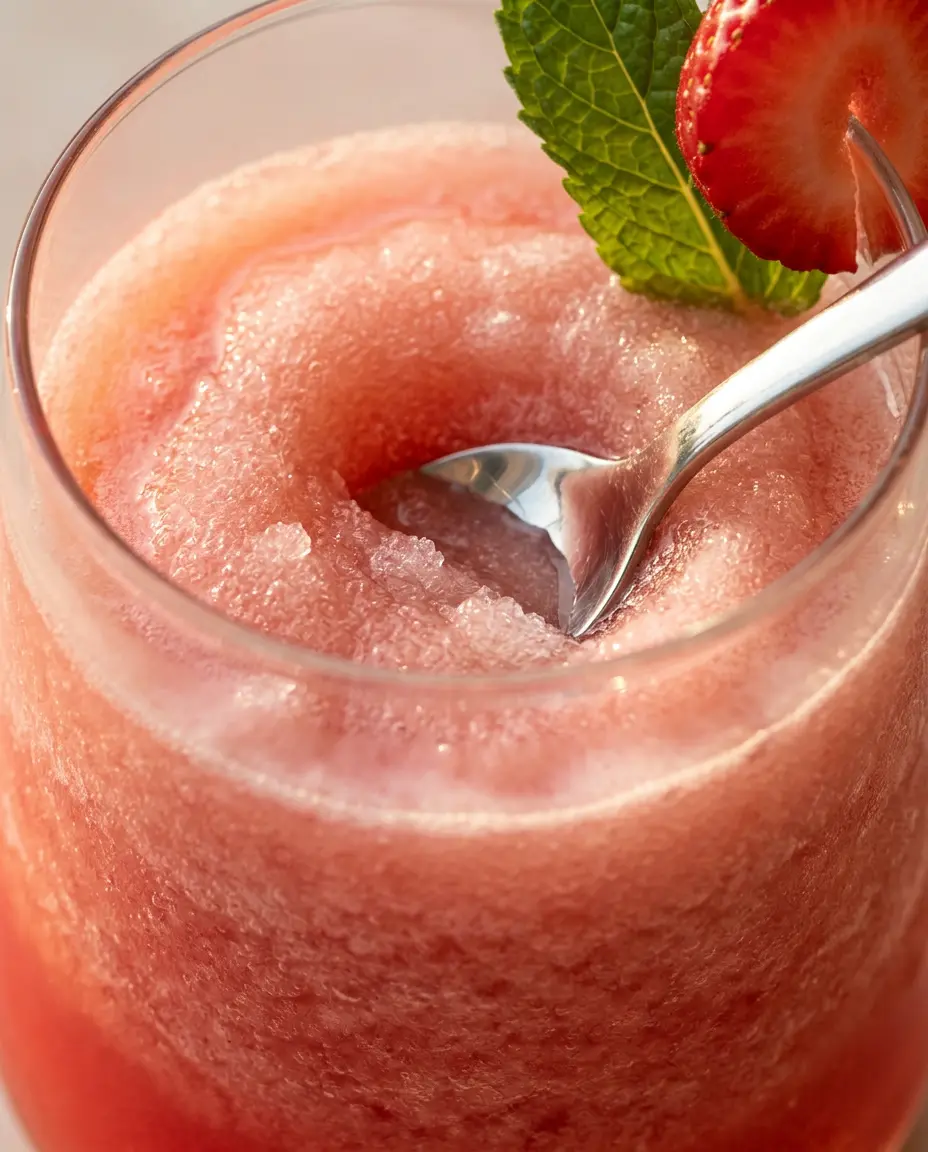
This easy frosé recipe turns a bottle of rosé into a frozen wine slushie in about five minutes — no waiting, no ice cream maker, just a blender and a few simple ingredients. It's the ideal warm-weather cocktail for backyard hangs, pool days, or anytime you want something cold, pink, and a little boozy.
Prep
5 min
Cook
N/A
Total
5 min
Servings
4 servings
Ingredients
Tools that make this easier
Optional — the recipe works without them.
As an Amazon Associate, I earn from qualifying purchases.
Instructions
- 1
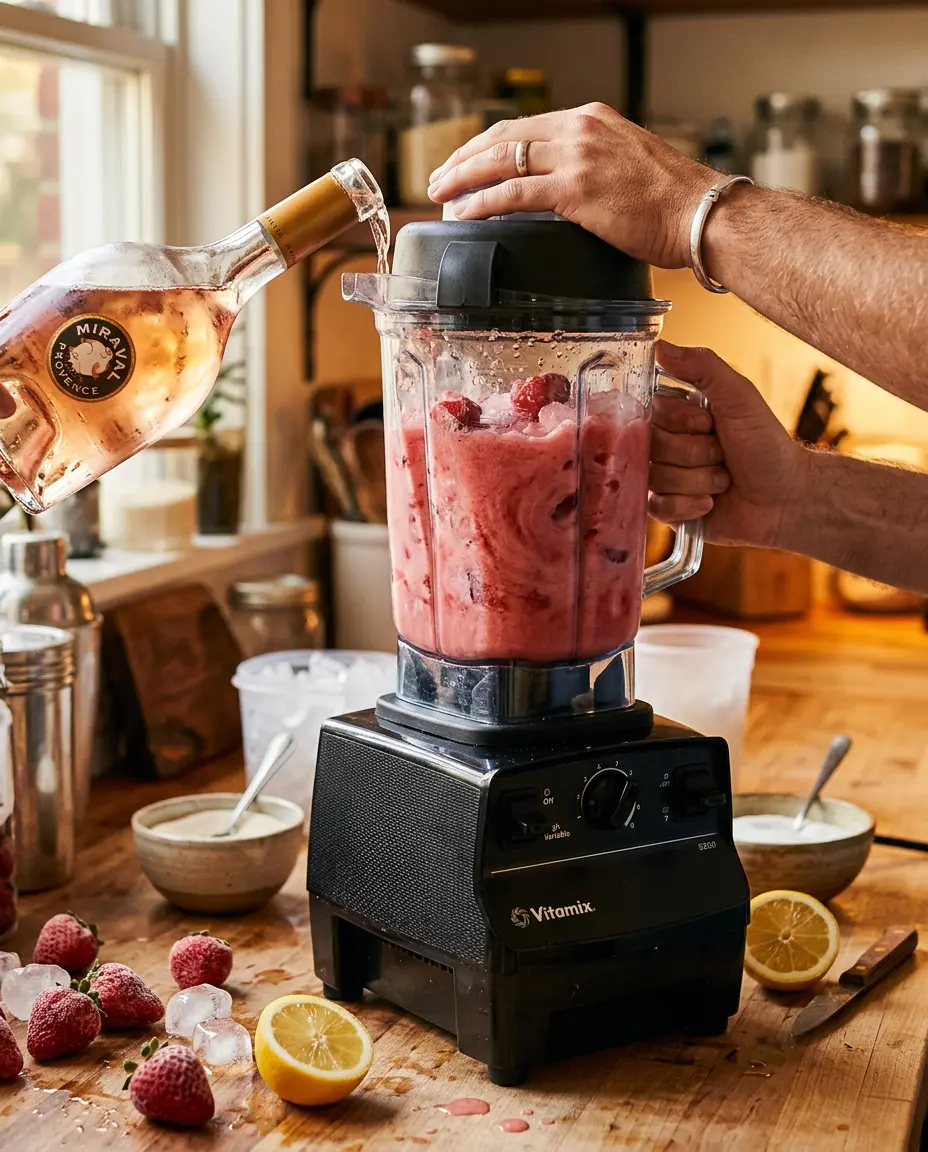
Add the rosé, frozen strawberries, vodka, sugar, and lemon juice to a blender. Pour the wine in first so the blender blade can move freely.
- 2
Blend on high for 30–45 seconds until completely smooth and slushy. You should see a thick, uniform pink mixture with no visible fruit chunks. If it looks too thin or liquidy, toss in ice cubes a handful at a time and blend again until you reach a soft-serve consistency.
- 3
Taste and adjust. If it's too tart, add another tablespoon of sugar and blend for five more seconds. If it's too sweet, squeeze in a bit more lemon juice.
- 4
Pour into glasses immediately. Frosé melts fast, so serve it right away. Garnish with a strawberry slice or a sprig of mint if you're feeling fancy.
- 5
If making a batch ahead, pour the blended mixture into a shallow baking dish and freeze for 1–2 hours, stirring with a fork every 30 minutes to break up ice crystals. Scoop into glasses when ready to serve.
Used in this recipe: Full-Size Blender 9×13 Baking Dish (Amazon, affiliate links)
Notes
Tips for Success
- Chill the rosé wine for at least a couple hours in the fridge before blending so you need less ice and get a more concentrated flavor.
- Use frozen strawberries rather than fresh to achieve the thick slushy consistency without diluting the drink with extra ice.
- Add the lemon juice to balance the sweetness and prevent the frosé from tasting flat.
- Use a high-powered blender for a smoother texture with no grainy bits, though a standard blender will also work.
Common Mistakes to Avoid
- Don't use too much ice or blend too briefly — that will result in a chunky, icy texture instead of a smooth slushy.
- Don't skip the frozen strawberries or the lemon juice — without them the drink will be flat, watery, or lack balance.
- Don't let the frosé sit long before serving — it melts quickly and loses its slushy consistency.
Nutrition (per serving)
260 kcal
Calories
0g
Protein
18g
Carbs
0g
Fat
1g
Fiber
10mg
Sodium
Frosé is frozen rosé: dry rosé wine blended with frozen strawberries, vodka, a little sugar and lemon juice into a pink slushy. This version needs only a blender and about 5 minutes, with no pre-freezing step, and makes 4 servings. It is an adults-only drink. Frozen strawberries do two jobs at once, chilling the drink and giving it a thick, slushy texture without a lot of watery ice.
What You Need for Easy Frosé
For the frosé
- 1 bottle (750 ml) dry rosé wine, chilled
- 2 cups frozen strawberries (whole or sliced)
- 1/2 cup vodka
- 1/4 cup granulated sugar (adjust to taste)
- 1 tablespoon fresh lemon juice
- 1–2 cups ice cubes, as needed for thickness
For garnish (optional)
- Fresh strawberry slices
- Fresh mint sprigs
Pick a dry rosé, not a sweet one, because the strawberries and sugar bring plenty of sweetness. A dry, fruity bottle in the $10 to $15 range is enough: subtle tasting notes disappear once the wine is blended with fruit. Frozen strawberries matter because fresh ones need a lot more ice to get a slushy texture, and that waters the drink down. The vodka stops the mix from freezing into a solid block and adds a little kick. You can leave it out for a lighter drink, but the slush will be icier and less smooth.
How to Make Frosé in a Blender
- Load the blender. Add the rosé, frozen strawberries, vodka, sugar and lemon juice. Pour the wine in first so the blade can move freely.
- Blend. Blend on high for 30–45 seconds, until completely smooth and slushy, a thick, uniform pink with no visible fruit chunks. If it looks thin, add ice cubes a handful at a time and blend again until it is the texture of soft-serve.
- Taste and adjust. If it is too tart, add another tablespoon of sugar and blend for five more seconds. If it is too sweet, squeeze in a little more lemon juice.
- Serve right away. Frosé melts fast, so pour it into glasses immediately and garnish with a strawberry slice or a sprig of mint.
- Making a batch ahead. Pour the blended mixture into a shallow baking dish and freeze for 1–2 hours, stirring with a fork every 30 minutes to break up ice crystals. Scoop it into glasses when you are ready to serve.
Why Frosé Turns Out Icy, Flat or Watery
- Chunky or icy: Too much ice or too little liquid. Blend longer, up to about a minute on high, and add a splash of rosé if needed. You want thick and smooth like a smoothie, not crunchy like shaved ice.
- Flat taste: Do not skip the lemon juice. A small squeeze balances the sugar and keeps the drink from tasting flat, and the frozen strawberries are what give it body.
- Watery: The wine was warm, so the ice melted in the blender. Chill the bottle for a couple of hours in the fridge, or 20 minutes in the freezer, before blending. A cold start means less ice and a more concentrated flavor.
- Grainy texture: A high-speed blender crushes fruit and ice more finely. A standard blender still works; blend a little longer.
- Melting in the glass: Frosé does not hold its texture, so blend only as much as you can serve in a few minutes.
Swaps, Non-Alcoholic Frosé and Making It Ahead
- Other fruit: Frozen peaches or mango can replace the strawberries. Expect a different flavor and a slightly thicker texture.
- No alcohol: Skip the vodka and replace the rosé with non-alcoholic sparkling rosé or pink lemonade. Add a bit more ice, since there is no alcohol to keep it from freezing hard. It will be a little icier.
- Freezing a full batch: Blend everything and pour it into a freezer-safe container for up to a week. It freezes solid, so take it out 10–15 minutes before serving and break it up with a fork, or re-blend it with a small splash of rosé to bring the slush back.
- Serving a crowd: One 750 ml bottle makes about 4–6 glasses, depending on your pour. For a party, plan on two bottles for every 8–10 guests.
If you are putting together a summer drinks lineup, frozen strawberry margaritas use the same blender-and-frozen-fruit approach, a peach bellini is a lighter brunch option, and a blackberry mojito is a good shaken-and-muddled alternative.
FAQ
What rosé is best for frosé?
A dry, fruity rosé is best. Provence-style bottles are a common choice because they are dry and light-bodied, and you do not need an expensive one.
Can I use fresh strawberries?
You can, but you will need a lot more ice for the same slushy texture, and the drink will taste more diluted.