Cottage Cheese Ice Cream
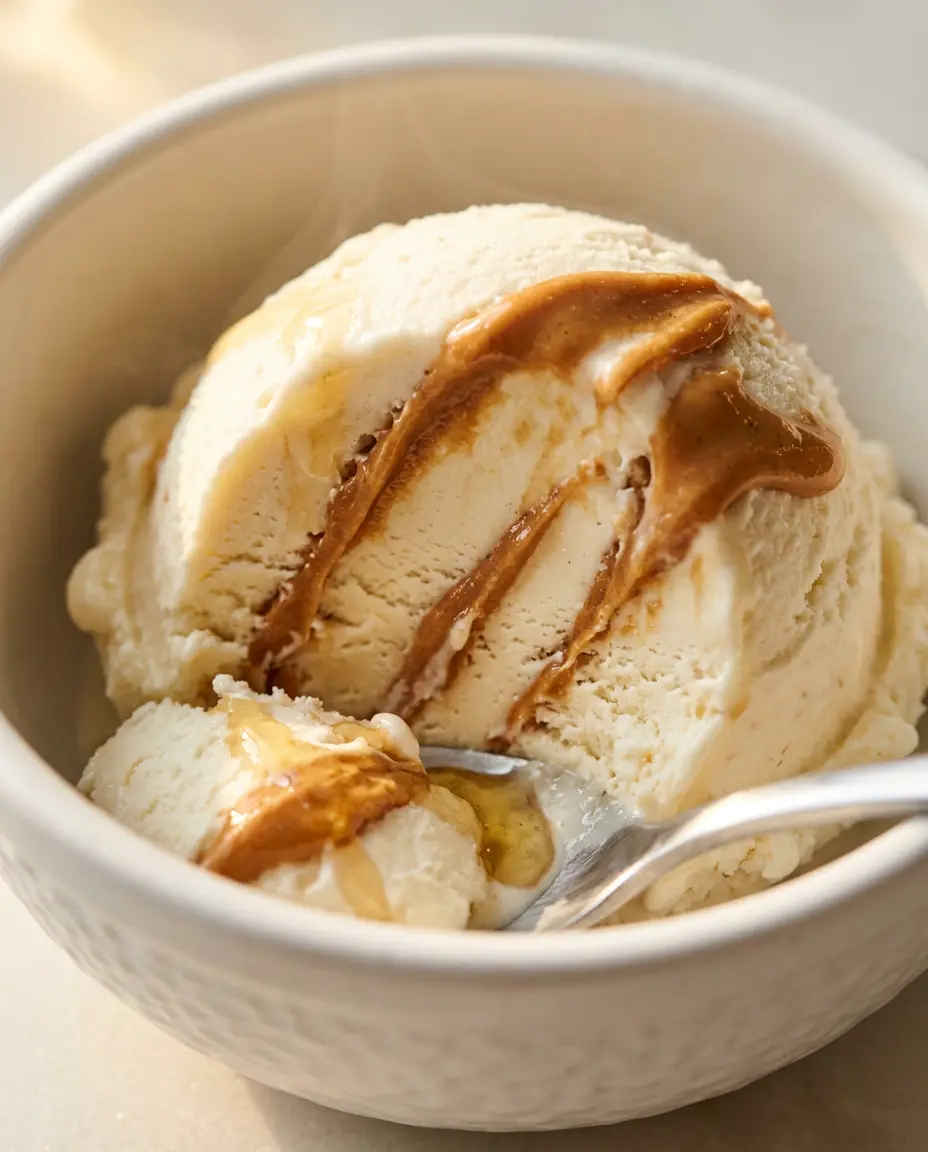
Cottage cheese ice cream is a high-protein, no-churn frozen treat. Blend cottage cheese with a few pantry staples, freeze, and you get a creamy, scoopable ice cream with way more protein than traditional versions.
Prep
10 min
Cook
N/A
Total
10 min
Servings
4 servings
Ingredients
Tools that make this easier
Optional — the recipe works without them.
As an Amazon Associate, I earn from qualifying purchases.
- Most useful here Full-Size Blender Purees cottage cheese and frozen fruit into a smooth base. Check price on Amazon
- Lemon Squeezer Gets lemon juice in quickly without seeds in the mix. Check price on Amazon
- Glass Storage Containers Freeze the no-churn ice cream base with a tight lid. Check price on Amazon
Instructions
- 1
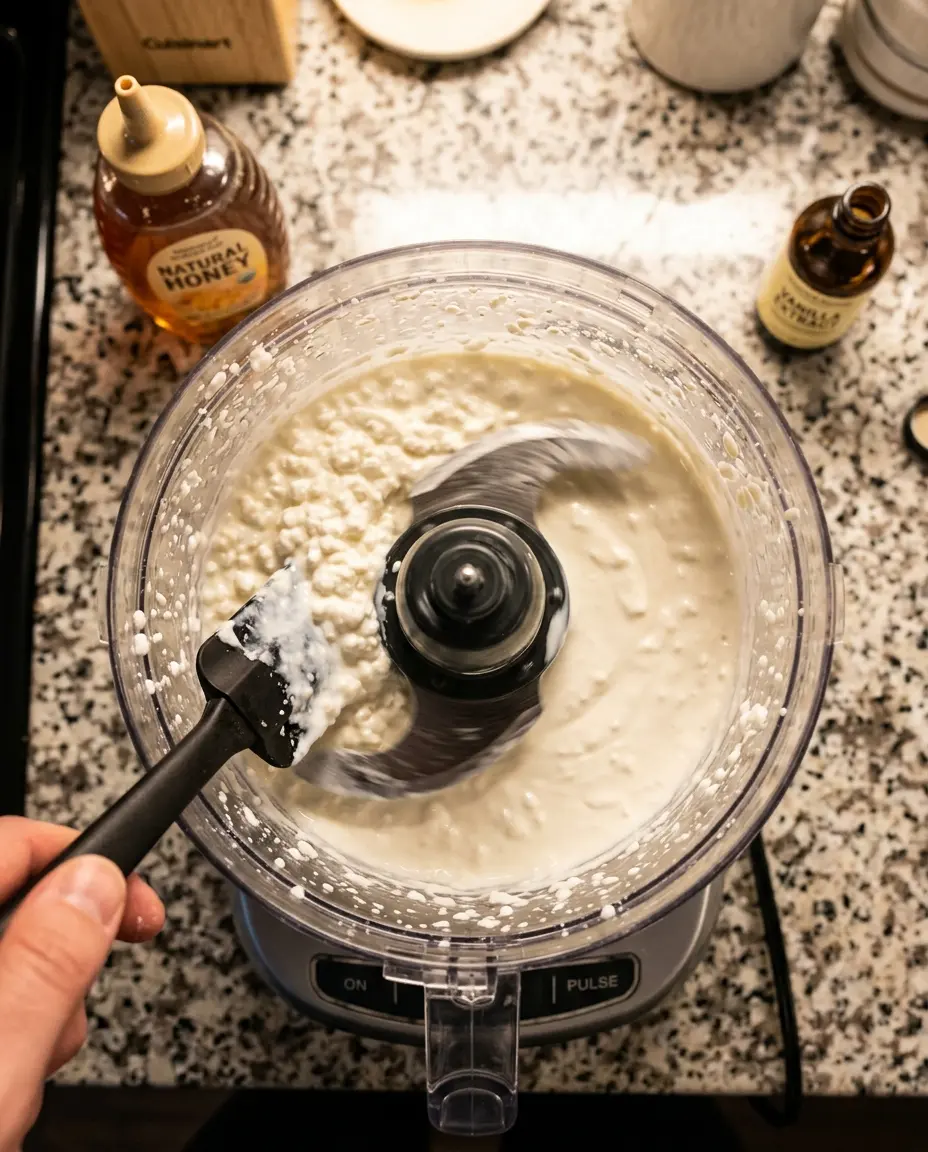
Blend until completely smooth. Add the cottage cheese, sweetener, vanilla, and salt to a food processor or high-powered blender. Process for 2–3 minutes, scraping down the sides once or twice, until the mixture looks like thick yogurt with zero visible curds.
- 2
Add your mix-ins. If going the chocolate route, add cocoa powder and espresso now and blend another 30 seconds until uniform. For fruit, pulse the frozen fruit in until just incorporated — small chunks are fine. For peanut butter, swirl it in with a spoon after pouring into the container so you get ribbons, not a uniform blend.
- 3
Pour into a freezer-safe container. A loaf pan or shallow airtight container works best. Press a piece of parchment or plastic wrap directly onto the surface to prevent ice crystals from forming on top.
- 4
Freeze for at least 4–5 hours, or overnight. The mixture is ready when it's firm enough to scoop but not rock-hard. If it freezes solid, let it sit on the counter for 10–15 minutes — it should soften to a smooth, scoopable consistency fairly quickly.
- 5
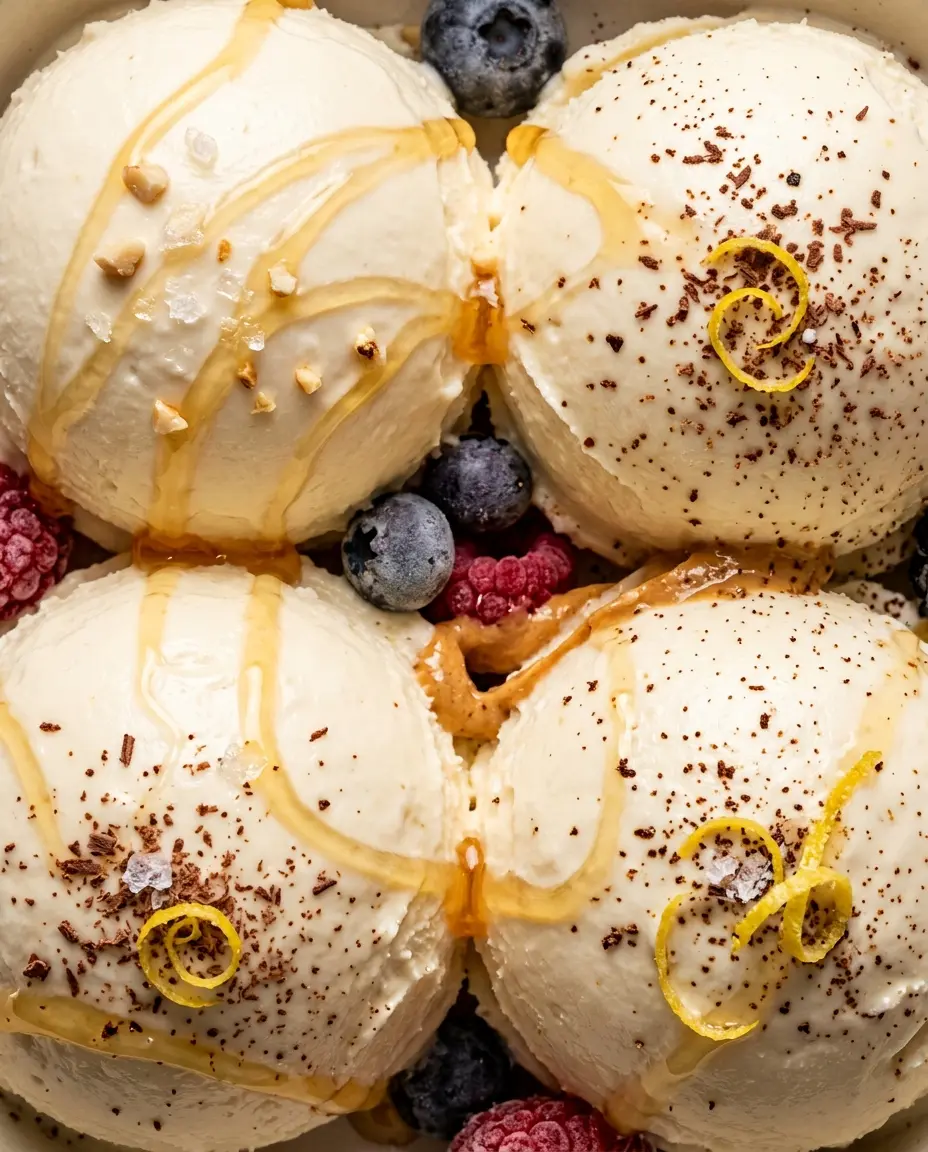
Scoop and serve. Run your scoop under warm water for cleaner, rounder scoops. Top with a drizzle of honey, crushed nuts, or a pinch of flaky salt.
Used in this recipe: Full-Size Blender Lemon Squeezer Glass Storage Containers (Amazon, affiliate links)
Notes
Tips for Success
- Blend the cottage cheese for at least 2-3 minutes until completely smooth to avoid a grainy texture.
- Sweeten the base a bit more than you think you need, because cold dulls sweetness in the freezer.
- Freeze the mixture in a shallow container like a loaf pan for more even freezing and easier scooping.
- Press plastic wrap or parchment directly onto the surface before freezing to prevent ice crystals from forming.
- If the ice cream freezes solid, let it sit at room temperature for 10-15 minutes to soften to a scoopable consistency.
Common Mistakes to Avoid
- Don't under-blend the cottage cheese — if you can still see any curds, keep processing until completely smooth to avoid a grainy, tangy taste.
- Don't use low-fat cottage cheese — the fat content is essential for creamy texture, and low-fat will freeze icy.
- Don't skip pressing plastic wrap onto the surface — without it, ice crystals will form on top and ruin the smooth texture.
Nutrition (per serving)
200 kcal
Calories
12g
Protein
27g
Carbs
5g
Fat
0g
Fiber
380mg
Sodium
Cottage cheese ice cream is a no-churn frozen dessert made by blending cottage cheese with honey or maple syrup, vanilla and a pinch of salt until smooth, then freezing it. The active work is about 10 minutes in a food processor, followed by 4-5 hours in the freezer, and it makes 4 servings with roughly 12 grams of protein each according to the recipe card. The base is tangy and creamy rather than eggy, and you can take it in a chocolate, peanut butter, fruit or lemon direction.
What You Need
**Base**
- 2 cups (16 oz) whole milk cottage cheese. Small curd blends smoother, but large curd works fine.
- 1/3 cup honey or maple syrup (adjust to taste)
- 1 tablespoon vanilla extract
- Pinch of fine sea salt
**Optional mix-ins (pick one direction)**
- 2 tablespoons cocoa powder + 1 teaspoon instant espresso for chocolate
- 1/2 cup peanut butter or almond butter for a nutty swirl
- 1 cup frozen fruit (strawberries, mango or peaches) for a fruity version
- 2 tablespoons lemon juice + 1 teaspoon lemon zest for a tart, sorbet-like flavor
Use whole milk cottage cheese. The fat is doing real work in the texture, and low-fat versions freeze icier and taste less creamy.
Blend, Freeze and Scoop
- **Blend until smooth.** Put the cottage cheese, sweetener, vanilla and salt in a food processor or high-powered blender. Process for 2-3 minutes, scraping down the sides once or twice, until it looks like thick yogurt with no visible curds.
- **Add mix-ins.** For chocolate, add the cocoa and espresso and blend another 30 seconds until uniform. For fruit, pulse in the frozen fruit until just incorporated; small chunks are fine. For peanut butter, swirl it in with a spoon after pouring into the container so you get ribbons instead of a uniform blend.
- **Pour into a freezer-safe container.** A loaf pan or shallow airtight container works best. Press parchment or plastic wrap directly onto the surface to prevent ice crystals.
- **Freeze.** Freeze at least 4-5 hours, or overnight, until firm enough to scoop but not rock-hard. If it freezes solid, let it sit on the counter for 10-15 minutes to soften.
- **Scoop and serve.** Run the scoop under warm water for cleaner, rounder scoops. Top with a drizzle of honey, crushed nuts or a pinch of flaky salt.
Why Cottage Cheese Ice Cream Turns Grainy, Icy or Tangy
- **Grainy:** almost always under-blending. If you can still see curds, keep going. A food processor handles this more reliably than most standard blenders.
- **Icy:** low-fat cottage cheese, or a deep tub that freezes unevenly. Use whole milk cottage cheese and freeze in a shallow layer, about 1.5 inches deep, such as a loaf pan.
- **Still tastes like cottage cheese:** the usual culprits are under-blending or not enough sweetener. The honey or maple syrup should be generous enough to round out the tang. An extra teaspoon of vanilla also helps.
- **Not sweet enough after freezing:** cold dulls sweetness, so taste the base before freezing and make it slightly sweeter than you would want it at room temperature.
- **Frosty top layer:** press plastic wrap or parchment directly onto the surface before freezing.
Swaps and Ways to Change It
- **Ice cream maker:** pour in the blended base and churn to the manufacturer’s directions. You get a softer, more traditional texture, and a short final freeze in a container firms it up.
- **Low-fat cottage cheese:** it works, but expect a slightly icier texture and less richness.
- **Dairy-free:** this recipe depends on cottage cheese for its creaminess, so plant-based swaps will not give the same result. A frozen-banana ice cream is a better route if you avoid dairy.
- **Honey vs maple syrup:** either works. Maple gives a slightly mellower, toastier flavor.
- **Toppings:** crushed nuts, flaky salt, extra honey, or fresh fruit.
Storage and Serving
Keep the ice cream in an airtight container with parchment pressed against the surface. It holds its smooth texture for about two weeks, after which it tends to grow ice crystals. If it has been in the freezer a while, let it soften for 10-15 minutes before scooping.
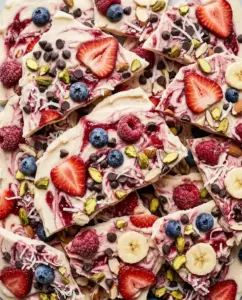
For more high-protein or frozen ideas, see the frozen yogurt bark, the no-bake protein bars, or another way to use cottage cheese in the cottage cheese egg bake.
Cottage Cheese Ice Cream FAQ
Can I use an ice cream maker?
Yes. Churn the blended base as directed and finish with a brief freeze for a firmer scoop.
How long does it keep?
About two weeks in an airtight container with parchment pressed on the surface.
How much protein is in a serving?
The recipe card lists about 12 grams per serving for 4 servings. The exact amount varies with the brand of cottage cheese and any mix-ins.