Garlic Butter Grilled Shrimp Skewers
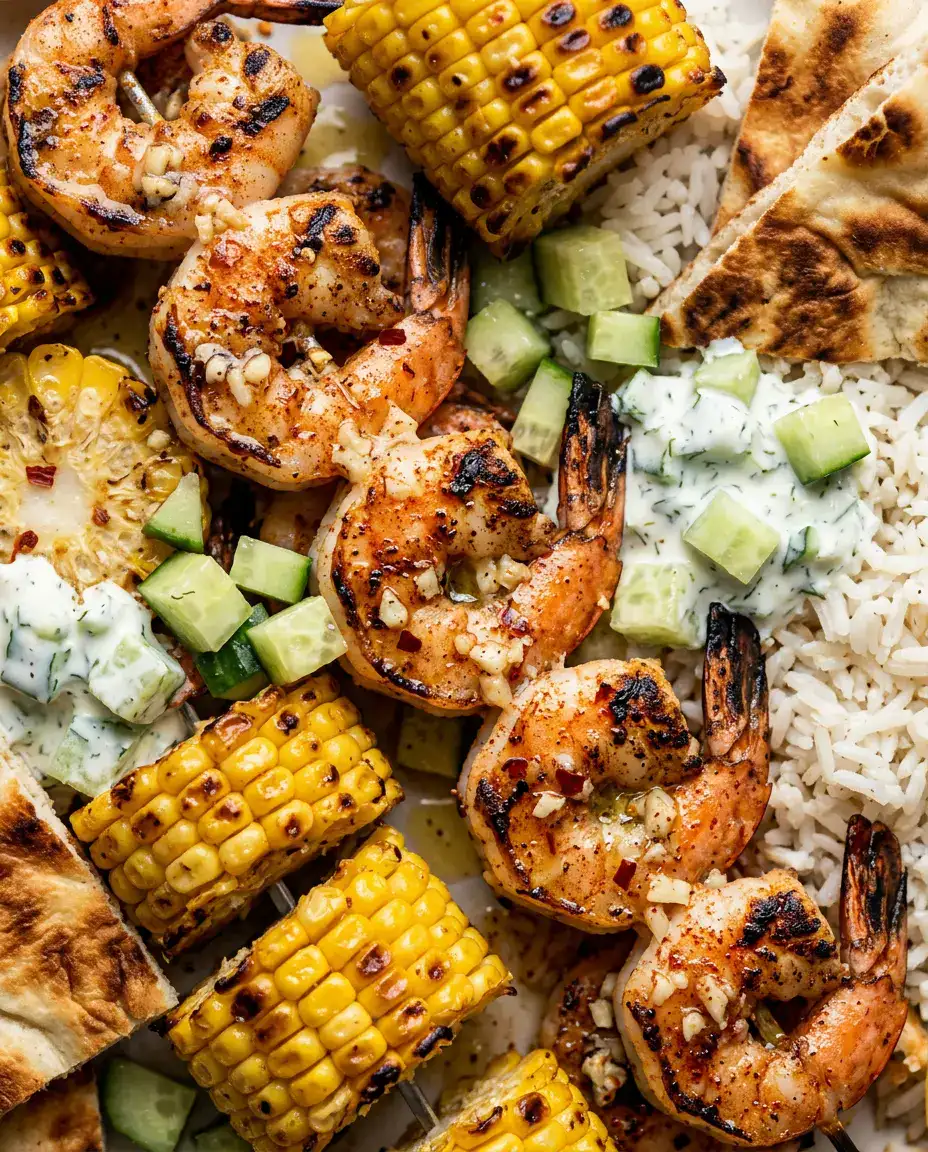
These garlic butter grilled shrimp skewers cook in under five minutes and deliver smoky, juicy flavor straight off the grill. Perfect for fast weeknight dinners or backyard cookouts.
Prep
15 min
Cook
5 min
Total
20 min
Servings
4 servings
Ingredients
Tools that make this easier
Optional — the recipe works without them.
As an Amazon Associate, I earn from qualifying purchases.
- Most useful here Flat Metal Skewers Hold 5-6 shrimp per skewer so they lay flat on the grates. Check price on Amazon
- Silicone-Tip Tongs Flips each shrimp skewer once and wipes oil onto the grates. Check price on Amazon
- Citrus Juice Press Juices the lemon for the garlic butter marinade and the final squeeze. Check price on Amazon
Instructions
- 1
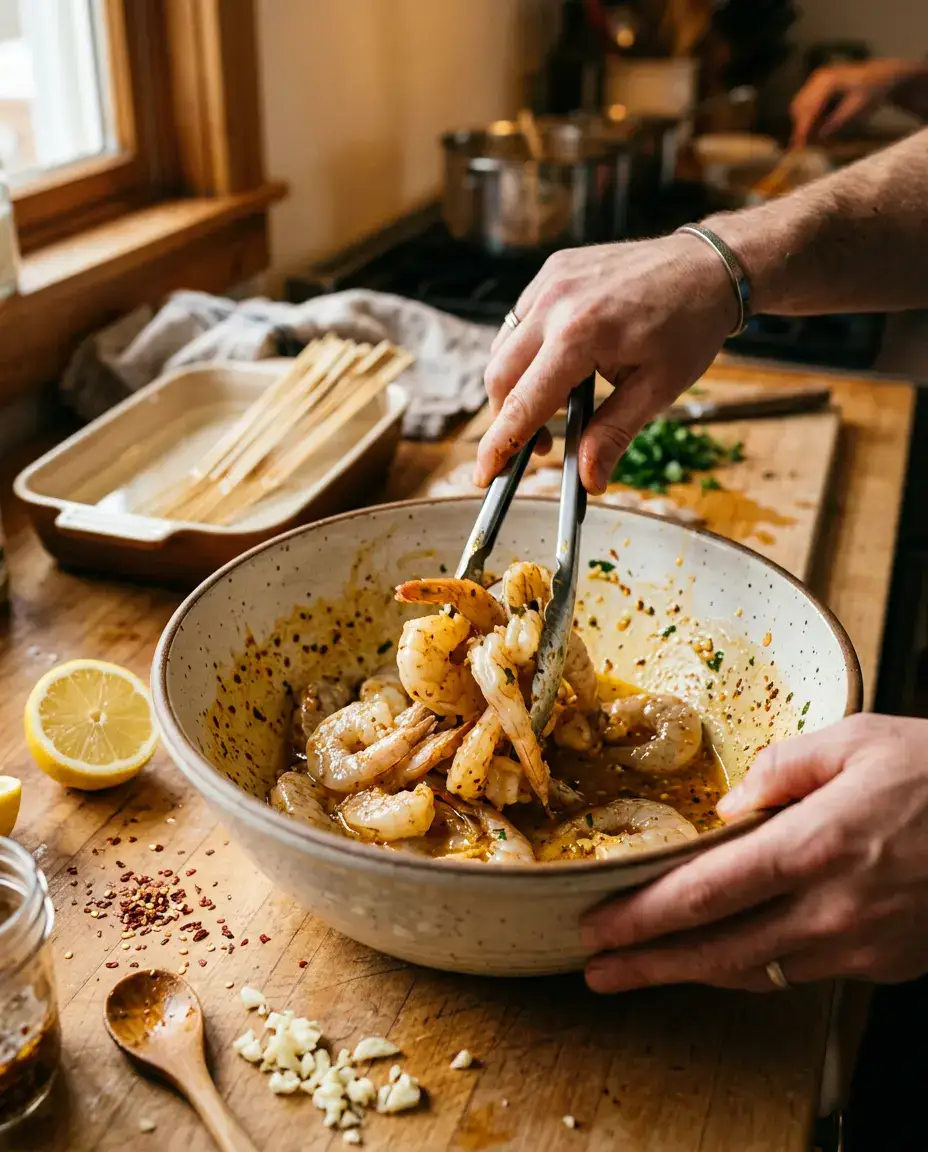
Make the marinade. In a large bowl, whisk together the melted butter, olive oil, minced garlic, lemon juice, smoked paprika, salt, pepper, and red pepper flakes. Add the shrimp and toss until every piece is evenly coated. Let it sit for 10–15 minutes at room temperature while you preheat the grill. Avoid marinating longer than 30 minutes — the acid in the lemon juice will start to break down the texture of the shrimp and make them mushy.
- 2
Preheat the grill. Heat your grill to medium-high, around 400°F. Clean and oil the grates well. Shrimp stick easily to dry grates, so a paper towel dipped in oil and held with tongs works great for this.
- 3
Thread the skewers. Slide the shrimp onto skewers, piercing each one through both the tail end and the thicker top so they lay flat and cook evenly. Leave a small gap between each shrimp — crowding them leads to steaming instead of charring. You should get about 5–6 shrimp per skewer.
- 4
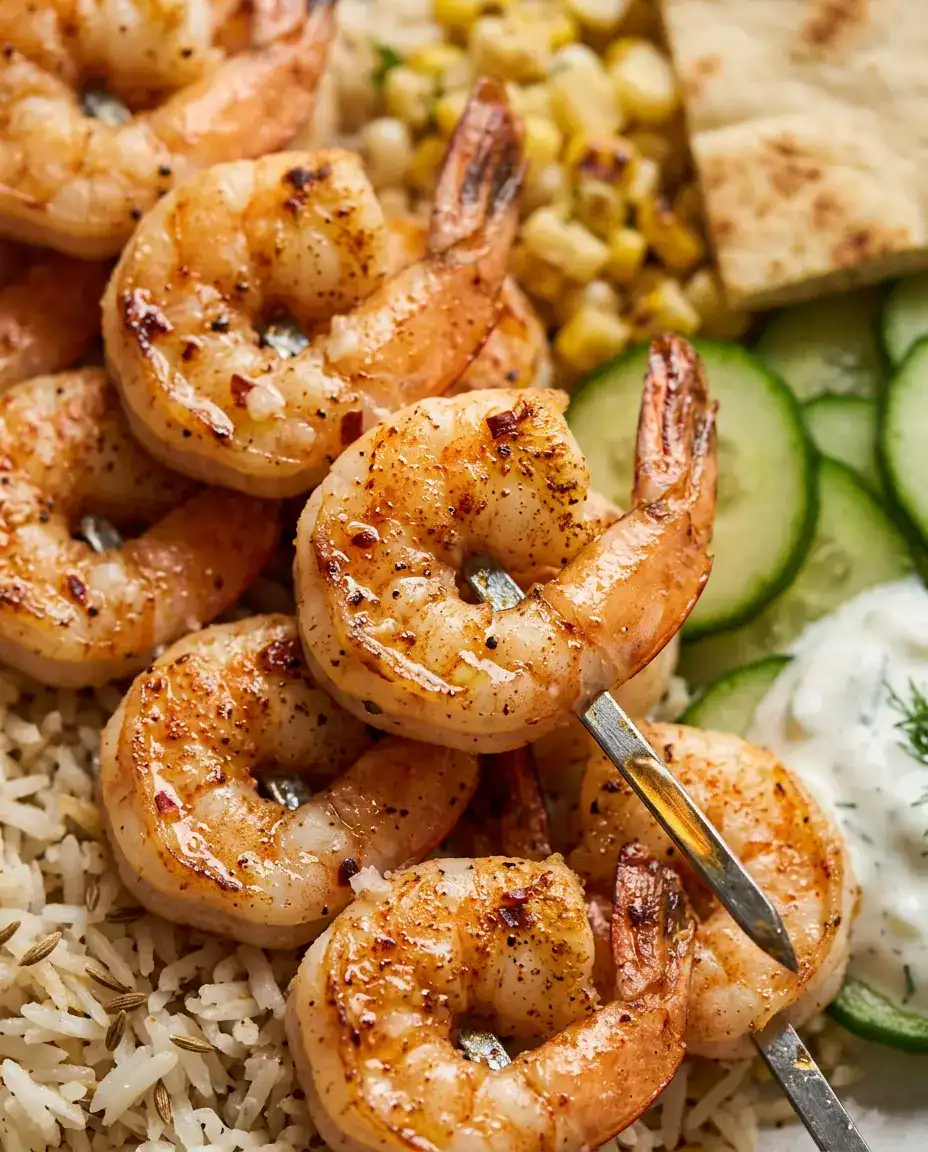
Grill the shrimp. Place skewers directly on the grates. Cook for 2–3 minutes per side, flipping once. The shrimp are done when they're pink and opaque all the way through with light char marks on the outside. Pull them the moment they curl into a loose C shape — a tight O shape means they're overcooked.
- 5
Finish and serve. Transfer skewers to a platter and squeeze a little extra fresh lemon juice over the top. Serve immediately while the butter is still glossy.
Used in this recipe: Flat Metal Skewers Silicone-Tip Tongs Citrus Juice Press (Amazon, affiliate links)
Notes
Tips for Success
- Easy to make
- Fast cooking time
Nutrition (per serving)
380 kcal
Calories
55g
Protein
0g
Carbs
19g
Fat
0g
Fiber
330mg
Sodium
These garlic butter grilled shrimp skewers spend only a few minutes on the grill. The shrimp sit briefly in a marinade of melted butter, olive oil, garlic, lemon juice and smoked paprika, then cook 2–3 minutes per side over medium-high heat. The recipe serves 4 and takes 20 minutes in total (15 of prep and 5 on the grill), which makes it useful for weeknights as well as cookouts.
Ingredients
For the Shrimp:
- 2 lbs large shrimp (21-25 count), peeled and deveined, tails on
- 4 cloves garlic, minced
- 4 tablespoons unsalted butter, melted
- 2 tablespoons olive oil
- Juice of 1 lemon (about 2 tablespoons)
- 1 teaspoon smoked paprika
- ½ teaspoon kosher salt
- ¼ teaspoon black pepper
- ¼ teaspoon red pepper flakes (optional)
You’ll Also Need:
- Metal or bamboo skewers — if using bamboo, soak them in water for at least 20 minutes before grilling so they don’t scorch.
Size matters here. Large shrimp (21-25 per pound) hold up best on skewers and pick up char before they overcook. Smaller shrimp cook through before they brown and are more likely to slip through the grates.
How To Make It
- Make the marinade. Blot the shrimp dry with paper towels. In a large bowl, whisk together the melted butter, olive oil, minced garlic, lemon juice, smoked paprika, salt, pepper, and red pepper flakes. Add the shrimp and toss until every piece is evenly coated. Let it sit for 10–15 minutes at room temperature while you preheat the grill. Avoid marinating longer than 30 minutes — the acid in the lemon juice will start to break down the texture of the shrimp and make them mushy.
- Preheat the grill. Heat your grill to medium-high, around 400°F. Clean and oil the grates well. Shrimp stick easily to dry grates, so a paper towel dipped in oil and held with tongs works great for this.
- Thread the skewers. Slide the shrimp onto skewers, piercing each one through both the tail end and the thicker top so they lay flat and cook evenly. Leave a small gap between each shrimp — crowding them leads to steaming instead of charring. You should get about 5–6 shrimp per skewer.
- Grill the shrimp. Place skewers directly on the grates. Cook for 2–3 minutes per side, flipping once. The shrimp are done when they are opaque all the way through, firm, lightly charred and have reached 145°F inside. Pull them the moment they curl into a loose C shape — a tight O shape means they are overcooked.
- Finish and serve. Transfer skewers to a platter and squeeze a little extra fresh lemon juice over the top. Serve immediately while the butter is still glossy.
Grilling Tips for Shrimp That Stay Juicy
- Pat them dry first. Surface moisture prevents browning and causes flare-ups.
- Double-skewer for easier flipping. Thread the shrimp onto two parallel skewers so they do not spin when you turn them.
- Watch for flare-ups. Dripping butter and oil can cause flames. Keep a spray bottle of water nearby, or move the skewers to a cooler zone of the grill.
- Check the temperature. Food safety guidance for shellfish is 145°F. Test the thickest shrimp with an instant-read thermometer rather than relying on color, and stay by the grill, because the window between cooked and overcooked is short.
Why Grilled Shrimp Turn Out Rubbery
Overcooking is the most common cause. Shrimp go from tender to rubbery in under a minute on a hot grill, so pull them as soon as they are opaque and firm; residual heat will finish the job on the platter. A marinade with too much citrus sitting for too long can also toughen the texture, which is why the marinating time above is short.
No Grill? Broiler and Grill-Pan Options
A cast-iron grill pan over high heat works: preheat it for a few minutes until it is lightly smoking, then cook the shrimp about 2 minutes per side. A broiler set to high with the oven rack 4–5 inches from the element gives a similar result. You will not get the same smokiness, but you still get char and caramelization.
What to Serve With Grilled Shrimp Skewers
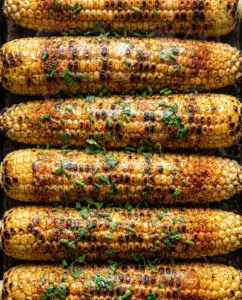
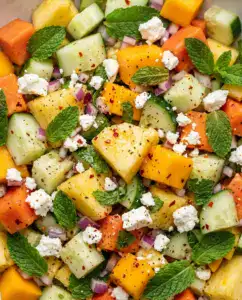
Shrimp skewers suit summer sides. Grilled corn on the cob with smoky elote butter can share the grill, and a tomato cucumber salad adds a cool, crisp contrast. They also work over rice, in a grain bowl, or on a bed of arugula with shaved Parmesan. If you prefer shrimp in a creamy pasta dish, the Cajun shrimp Alfredo is another option.
Make-Ahead, Storing and Freezing
You can thread the skewers and refrigerate them on a sheet pan, covered, for up to 4 hours before grilling. Hold off on adding the lemon juice until the last 15 minutes so the texture stays firm, and let the skewers sit out for about 10 minutes before grilling so they cook evenly. Refrigerate cooked shrimp within 2 hours and eat within 3–4 days. To freeze, cool them completely, press as much air as possible out of a freezer-safe bag and keep for up to 2 months. Thaw overnight in the fridge and reheat gently to 165°F in a warm skillet with a splash of butter; the microwave tends to make them chewy.
FAQ
Can I make marinated shrimp skewers ahead of time?
Yes, for up to 4 hours in the fridge. Add the lemon juice late (about 15 minutes before grilling) so the acid does not soften the shrimp.
How do I know when shrimp are done?
They turn opaque, firm up, and curl into a loose C shape, and the thickest one reads 145°F on an instant-read thermometer. A tight O shape means they are overdone.