Creamy Cajun Shrimp Alfredo
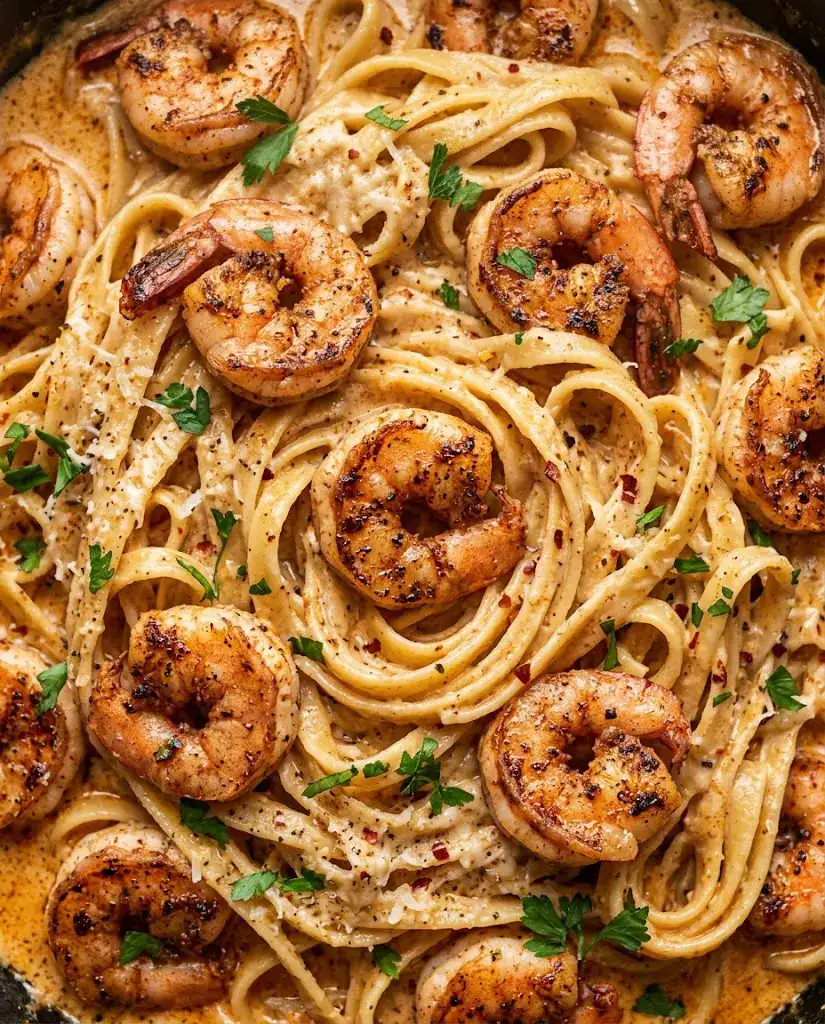
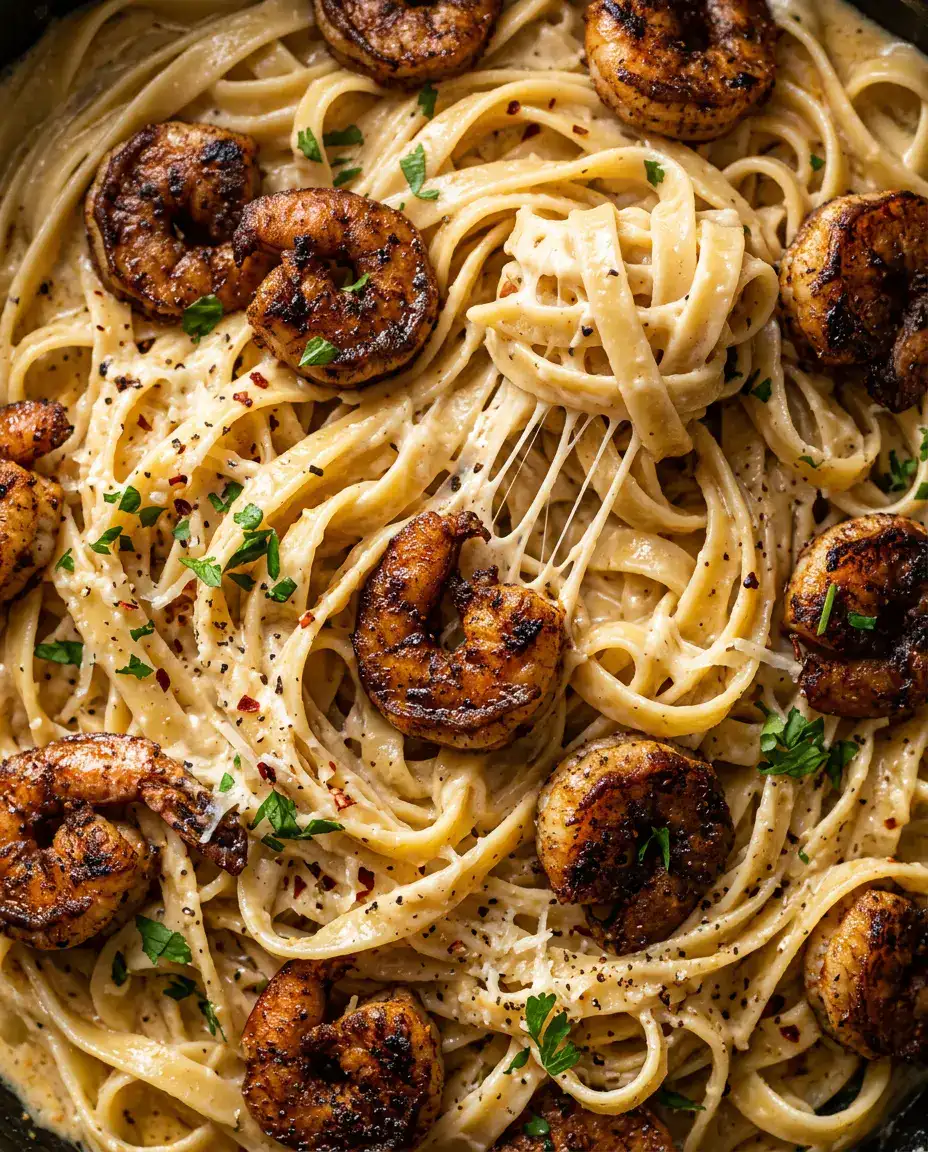
Creamy Cajun shrimp Alfredo brings together smoky Cajun seasoning, tender shrimp, and rich parmesan sauce in one fast pasta dinner. The sauce clings to every strand of fettuccine, while the shrimp stay juicy with a lightly spicy crust.
Prep
10 min
Cook
20 min
Total
30 min
Servings
4 servings
Ingredients
Tools that make this easier
Optional — the recipe works without them.
As an Amazon Associate, I earn from qualifying purchases.
- Most useful here 12-Inch Cast-Iron Skillet Sears the Cajun shrimp in one layer, then builds the cream sauce on the browned bits. Check price on Amazon
- Pasta Pot With Strainer Lid Boils the fettuccine, then drains it through the lid after you save 1 cup of water. Check price on Amazon
- Box Grater Grates the parmesan fresh so it melts smooth into the cream. Check price on Amazon
Instructions
- 1
Bring a large pot of salted water to a boil and cook the fettuccine until just al dente. Reserve about 1 cup of pasta water before draining. The noodles should still have a slight bite in the center so they do not turn soft once mixed with the sauce.
- 2
Pat the shrimp dry with paper towels, then toss them with olive oil, Cajun seasoning, smoked paprika, and black pepper. A dry surface helps the seasoning stick and gives the shrimp a better sear.
- 3
Heat a large skillet over medium-high heat. Add the shrimp in a single layer and cook for 1 to 2 minutes per side until pink with lightly charred edges. Avoid overcrowding the pan or the shrimp will steam instead of brown. Transfer them to a plate once curled and opaque.
- 4
Lower the heat to medium and melt the butter in the same skillet. Add the garlic and stir for about 30 seconds until fragrant but not browned. The bottom of the pan should still have some browned seasoning bits from the shrimp for extra flavor.
- 5
Pour in the heavy cream and simmer gently for 3 to 4 minutes until slightly thickened. Stir in the parmesan cheese a little at a time until smooth and creamy. Add the extra Cajun seasoning and red pepper flakes if you want more heat.
- 6
Toss the cooked pasta into the sauce and stir until every noodle is coated. If the sauce looks too thick, add a splash of reserved pasta water until silky. Return the shrimp to the skillet and cook for another minute until warmed through.
- 7
Finish with parsley, extra parmesan, and a squeeze of lemon if desired. Serve the cajun shrimp pasta while the sauce is still glossy and hot.
Used in this recipe: 12-Inch Cast-Iron Skillet Pasta Pot With Strainer Lid Box Grater (Amazon, affiliate links)
Nutrition (per serving)
990 kcal
Calories
37g
Protein
65g
Carbs
64g
Fat
1g
Fiber
610mg
Sodium
Cajun shrimp alfredo is fettuccine in a parmesan cream sauce with seared, Cajun-seasoned shrimp on top. The shrimp are seasoned and cooked first, then set aside, so they stay tender instead of overcooking in the sauce, and the browned bits left in the skillet go into the sauce for extra flavor. It serves 4 and takes about 30 minutes, and it is rich, so a simple side helps.
Ingredients
For the Pasta
- 12 ounces fettuccine
- Salt, for the pasta water
For the Cajun Shrimp
- 1 pound large shrimp, peeled and deveined
- 1 tablespoon olive oil
- 1 1/2 tablespoons Cajun seasoning
- 1/2 teaspoon smoked paprika
- 1/4 teaspoon black pepper
For the Alfredo Sauce
- 3 tablespoons butter
- 4 garlic cloves, finely minced
- 2 cups heavy cream
- 1 cup freshly grated parmesan cheese
- 1/2 teaspoon Cajun seasoning
- 1/4 teaspoon crushed red pepper flakes (optional)
- Salt and black pepper, to taste
Optional Garnish
- Chopped parsley
- Extra parmesan
- Lemon wedges
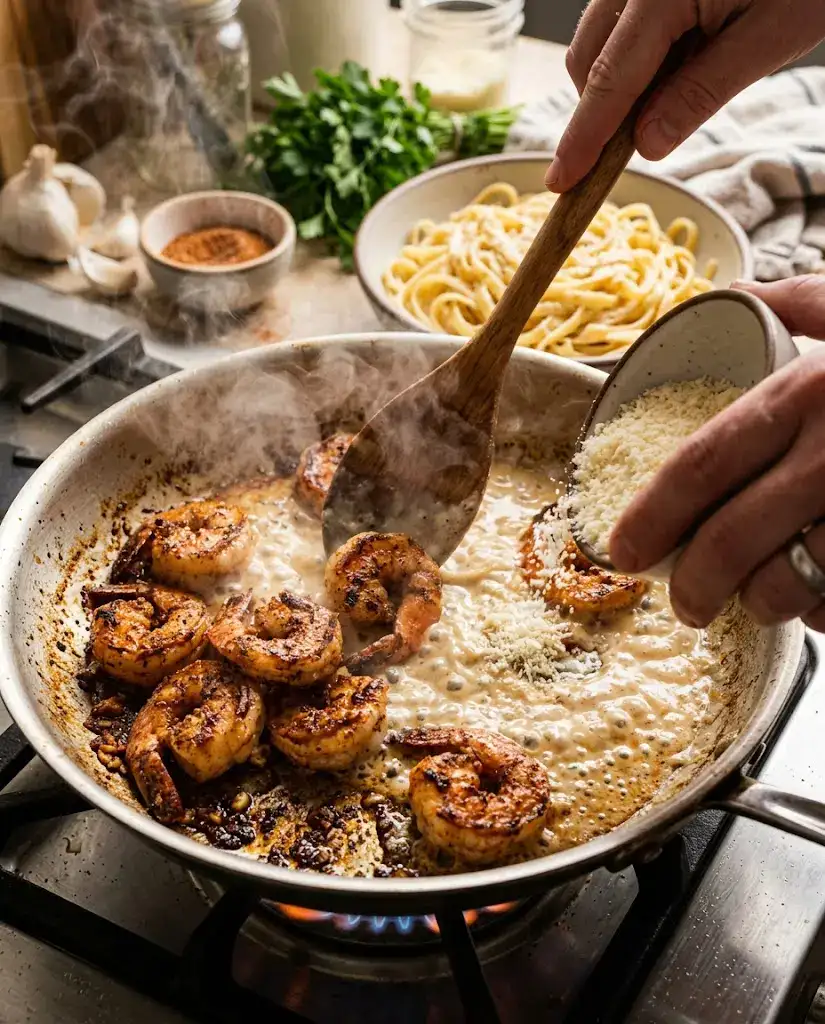
Cooking the Pasta, Shrimp and Cream Sauce
Bring a large pot of salted water to a boil and cook the fettuccine until just al dente. Reserve about 1 cup of pasta water before draining. The noodles should still have a slight bite in the center so they do not turn soft once mixed with the sauce.
Pat the shrimp dry with paper towels, then toss them with olive oil, Cajun seasoning, smoked paprika, and black pepper. A dry surface helps the seasoning stick and gives the shrimp a better sear.
Heat a large skillet over medium-high heat. Add the shrimp in a single layer and cook for 1 to 2 minutes per side until pink with lightly charred edges. Avoid overcrowding the pan or the shrimp will steam instead of brown. Transfer them to a plate once curled and opaque.
Lower the heat to medium and melt the butter in the same skillet. Add the garlic and stir for about 30 seconds until fragrant but not browned. The bottom of the pan should still have some browned seasoning bits from the shrimp for extra flavor.
Pour in the heavy cream and simmer gently for 3 to 4 minutes until slightly thickened. Stir in the parmesan cheese a little at a time until smooth and creamy. Add the extra Cajun seasoning and red pepper flakes if you want more heat.
Toss the cooked pasta into the sauce and stir until every noodle is coated. If the sauce looks too thick, add a splash of reserved pasta water until silky. Return the shrimp to the skillet and cook for another minute until warmed through.
Finish with parsley, extra parmesan, and a squeeze of lemon if desired. Serve the cajun shrimp pasta while the sauce is still glossy and hot.
Keeping the Shrimp Tender and the Sauce Smooth
- Don’t overcook the shrimp: They should curl into a loose “C” shape, not a tight circle. Shrimp are cooked through at 145°F, so use a thermometer if you are unsure rather than judging by color alone. They finish in the sauce for a minute anyway.
- Grate the parmesan yourself: Freshly grated cheese melts more evenly than pre-shredded or shelf-stable grated cheese, which gives a smoother sauce.
- Brown in the right pan: A cast-iron or stainless-steel skillet browns the shrimp more than a nonstick pan and leaves more flavorful bits for the sauce.
- Thin it if it tightens: If the sauce thickens while it sits, stir in warm pasta water a little at a time until creamy again.
- Milder version: Reduce the Cajun seasoning in the sauce and keep most of it on the shrimp.
What to Serve With Cajun Shrimp Alfredo
Garlic bread, roasted broccoli or a crisp green salad balance the richness; the tomato cucumber salad is a cool, acidic counterpoint to the cream. For more shrimp, try grilled shrimp skewers, and for another creamy weeknight pasta see creamy tomato spinach pasta. For a heartier dinner, stir sautéed bell peppers or spinach into the pasta during the final toss.
Why Alfredo Sauce Turns Grainy, and Other Questions
Why did my Alfredo sauce turn grainy?
This usually happens when the heat is too high or the cheese is added too quickly. Lower the heat before adding the parmesan and stir steadily until it melts.
Can I use frozen shrimp?
Yes. Thaw the shrimp fully and pat them very dry before seasoning. Excess moisture waters down the sauce and keeps the shrimp from browning.
What pasta works besides fettuccine?
Linguine and penne both work. Short shapes hold the sauce differently but still catch the Cajun seasoning.
Can I make this ahead of time?
The sauce is best freshly made, but you can season the shrimp and grate the cheese ahead. Refrigerate leftovers within 2 hours and eat them within 3–4 days. Reheat gently over low heat with a splash of cream or milk until steaming hot (165°F).
How can I make the pasta spicier?
Add extra Cajun seasoning, cayenne pepper or crushed red pepper flakes to the sauce. A few dashes of hot sauce also blend into the cream without thinning it much.