Easy Remoulade Sauce for Seafood, Fries and Sandwiches
Whisk up this Louisiana-style remoulade in 5 minutes: mayo, two mustards, horseradish, lemon and fresh herbs. Chill 30 minutes and serve with seafood or fries.
Prep
5 min
Cook
N/A
Total
5 min
Servings
About 1 1/4 cups
Ingredients
Tools that make this easier
Optional — the recipe works without them.
As an Amazon Associate, I earn from qualifying purchases.
Instructions
- 1
Lay out all measured ingredients. Make sure lemon is juiced and herbs are finely chopped.
- 2
In a medium bowl, add mayonnaise, both mustards, fresh lemon juice, and prepared horseradish.
- 3
Stir in fresh parsley, chives, Worcestershire sauce, smoked paprika, garlic powder, onion powder, and cayenne pepper if using.
- 4
Thoroughly whisk all ingredients until smooth and creamy with no lumps.
- 5
Taste and season with salt and freshly ground black pepper as needed.
- 6
Cover and refrigerate for at least 30 minutes before serving for best flavor development.
Used in this recipe: Balloon Whisk Lemon Squeezer (Amazon, affiliate links)
Notes
Tips for Success
- Creamy, zesty condiment that elevates many dishes
- Surprisingly simple to make in just minutes
- Versatile pairing with seafood, sandwiches, and fries
- Flavors deepen and meld beautifully when chilled
Common Mistakes to Avoid
- Skipping chill time results in less developed flavors
- Using subpar mayonnaise affects final taste significantly
- Bottled lemon juice lacks vibrant acidity of fresh
- Can become bland if not properly seasoned to taste
Nutrition (per serving)
120-150 kcal
Calories
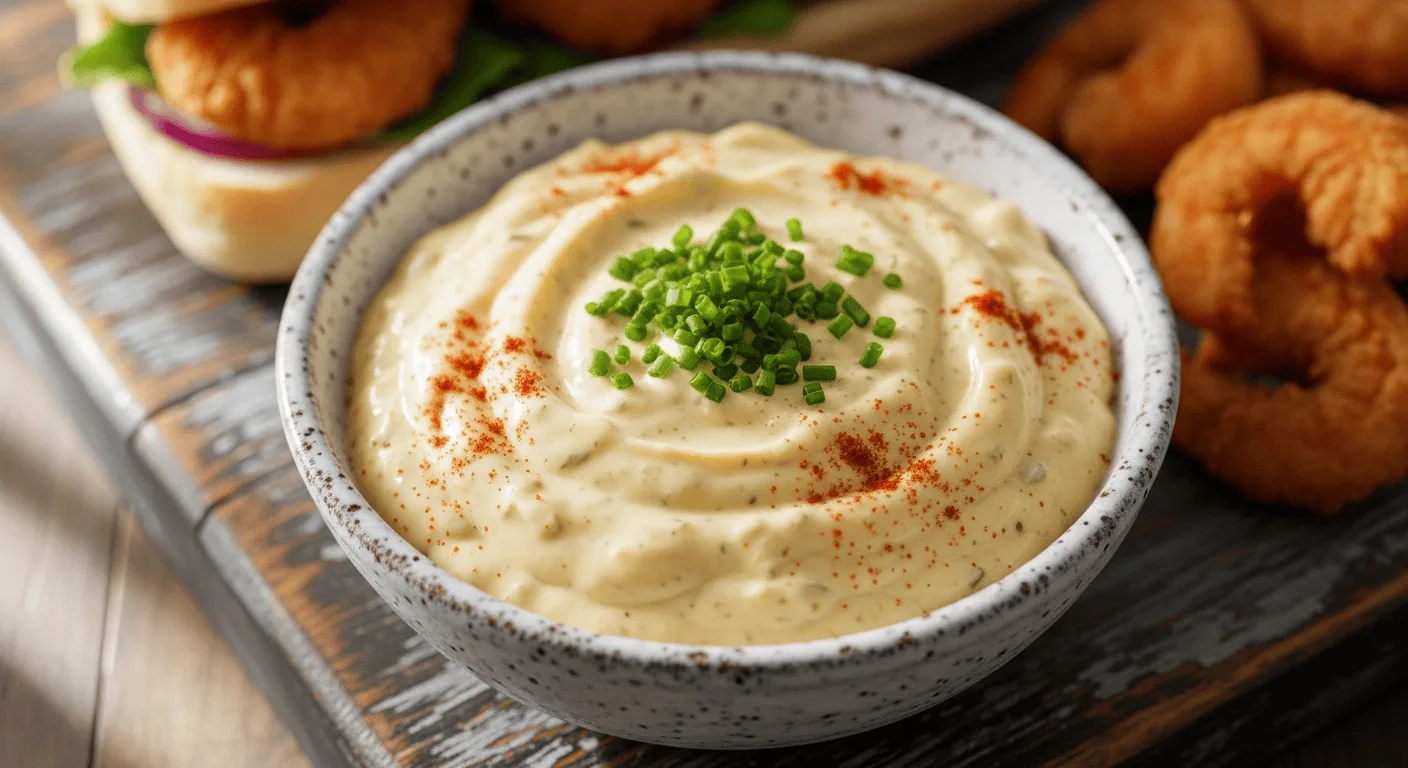
Remoulade is a Louisiana-style mayonnaise sauce: creamy from the mayo, sharp from two mustards and horseradish, and lifted with lemon and fresh herbs. This version is a whisk-and-chill recipe. It takes 5 minutes of work, needs no cooking, and makes about 1 1/4 cups, enough for a platter of fried seafood or a week of sandwiches.
What Goes Into Remoulade (and Why)
Everything here is a pantry or fridge staple, and each ingredient has a job. The full amounts are in the recipe card above; these notes explain the choices.
- Mayonnaise (1 cup): The base. Full-fat mayo gives the thickest, richest sauce. Light mayo works but makes a slightly looser, less rich remoulade.
- Dijon mustard (2 tablespoons): Supplies the sharp, tangy backbone. Yellow mustard is a poor substitute because it is thinner and much milder.
- Whole grain mustard (1 tablespoon, optional): Adds texture and a little depth. If you skip it, use an extra tablespoon of Dijon.
- Fresh lemon juice (2 tablespoons): Brightens the mayo. Bottled juice tastes flatter.
- Prepared horseradish (1 tablespoon): A gentle, sinus-tickling heat rather than chili burn. Adjust it to taste.
- Parsley and chives (1 tablespoon each): Finely chopped, for freshness and color.
- Worcestershire sauce, smoked paprika, garlic powder, onion powder: The savory, smoky seasoning layer. Garlic and onion powder blend in evenly and don’t leave raw, sharp bites in a sauce that is never cooked.
- Cayenne (a pinch, optional): Adds a background warmth. Hot sauce is a fine stand-in.
How to Make It
- Measure everything first, and juice the lemon and chop the herbs finely.
- In a medium bowl, combine the mayonnaise, Dijon, whole grain mustard, lemon juice and horseradish.
- Stir in the parsley, chives, Worcestershire, smoked paprika, garlic powder, onion powder and the cayenne if using.
- Whisk until smooth and creamy, with no streaks of mustard or mayo.
- Taste and season with salt and freshly ground black pepper. Go light on the salt, because Worcestershire, mustard and mayo already carry some.
- Cover and refrigerate at least 30 minutes before serving. The flavors blend as it sits, so a few hours is better still.
Adjusting the Heat, Tang and Richness
Remoulade is easy to tune because it is a cold, uncooked sauce. Taste after chilling, then change one thing at a time.
- Lighter: Replace half the mayo with plain Greek yogurt. Expect a tangier, slightly thinner sauce with less richness.
- More herbs: Add extra parsley, or a little fresh dill if you are serving it with fish. Expect a greener, fresher flavor.
- More heat: A dash of hot sauce or more cayenne raises the heat without changing the texture. A little extra horseradish sharpens it instead.
- More tang: A splash of white wine or apple cider vinegar makes it brighter.
- Too spicy? Stir in more mayonnaise or a squeeze of lemon. A tiny pinch of sugar or drop of honey can soften the heat.
What to Serve With Remoulade
Classic Louisiana remoulade goes with fried or boiled seafood, but it is useful well beyond that.
- Seafood: Spoon it beside garlic butter grilled shrimp skewers, or use it as a cold dip for boiled shrimp, fried fish and crab cakes. It is also a good topping for baked salmon patties.
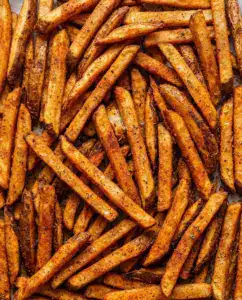
- Fries and vegetables: It is a natural dip for oven-baked Cajun fries, onion rings, or roasted asparagus and broccoli.
- Sandwiches and burgers: Use it in place of plain mayo on a roast beef or turkey sandwich, or a burger, for a tangier spread.
- Salad and deviled eggs: Thin it with a little extra lemon juice or a splash of water for a creamy salad dressing, or fold it into deviled egg yolks.
Fixing Remoulade That Tastes Off
- It tastes flat right after mixing. That is normal. Chill it for at least 30 minutes, then taste again before adding more salt.
- It tastes bland after chilling. Add a little salt, lemon juice or horseradish, and taste between additions.
- It is too thick. Whisk in a teaspoon or two of water or lemon juice until it reaches the consistency you want, for example for a salad dressing.
- It is too thin. Whisk in another spoonful of mayonnaise. This is most likely if you used yogurt or light mayo.
- It separates slightly after a few days. Whisk it again before serving.
- The flavor is one-note. Two common causes are skipping the fresh herbs and using bottled lemon juice. Both leave the sauce tasting heavy.
Storing Remoulade and Making It Ahead
Because it is mayonnaise-based, keep remoulade cold. Store it in an airtight container in the refrigerator and don’t leave it out for more than 2 hours (1 hour if it is hotter than 90°F, as at an outdoor cookout). Use it within 3 to 4 days. Making it a few hours or a day ahead is a good idea, since the flavors improve with time.
Don’t freeze it. Mayonnaise-based sauces separate and turn oily or grainy when thawed. For more on keeping cold dishes safe, see the cold food storage chart at foodsafety.gov.
Remoulade Questions
What is the difference between remoulade and tartar sauce?
Both are mayo-based and served with seafood. Tartar sauce is built on chopped pickles or relish, capers and onion. Remoulade leans on mustard, horseradish, herbs and spice, so it is tangier and more complex.
Is this remoulade spicy?
It is mild as written. The horseradish gives a gentle warmth, and the cayenne is optional. Add hot sauce or more horseradish if you want more heat.
What if I only have one kind of mustard?
Use Dijon. Whole grain mustard adds texture but is not essential. Replace it with another tablespoon of Dijon.
Can I use other herbs?
Yes. Dill suits fish and shellfish, and a little tarragon adds a faint anise note. Use fresh herbs so the sauce stays bright.