Stout Braised Lamb Shanks: Ultimate Comfort
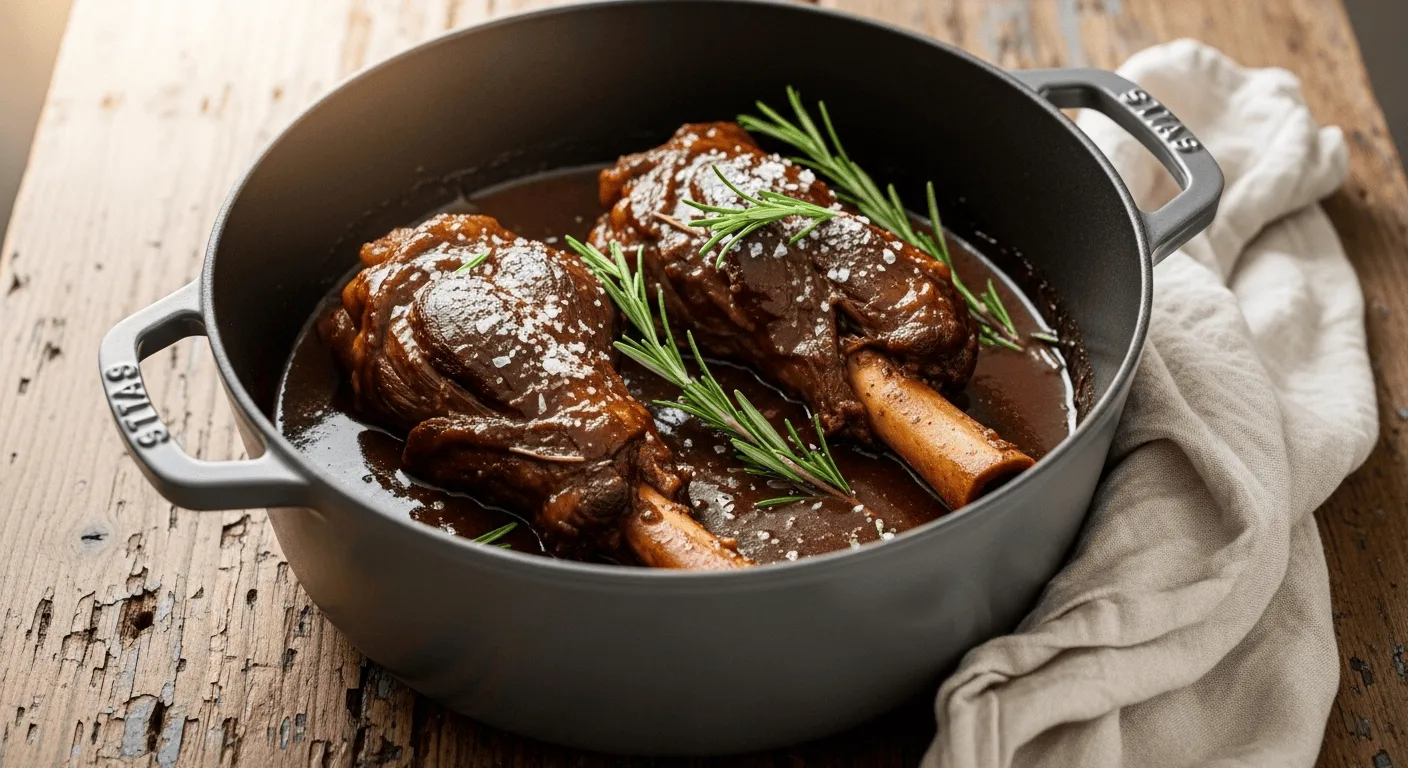
Stout braised lamb shanks seared, then braised in dry stout and beef broth with rosemary and thyme for 3 to 3.5 hours. Serves 4 in 4 hours total.
Prep
30 min
Cook
3 hr 30 min
Total
4 hr
Servings
4 servings
Ingredients
Tools that make this easier
Optional — the recipe works without them.
As an Amazon Associate, I earn from qualifying purchases.
Instructions
- 1
Pat the lamb shanks very dry with paper towels. Season them generously all over with salt and freshly ground black pepper.
- 2
Lightly dredge each shank in the flour, shaking off any excess.
- 3
Heat the olive oil in a large, heavy-bottomed Dutch oven over medium-high heat.
- 4
Sear the lamb shanks in batches, turning occasionally, until deeply browned on all sides (about 3-4 minutes per side).
- 5
Remove the seared shanks and set them aside.
- 6
Reduce the heat to medium. Add the chopped onions, carrots, and celery to the same pot.
- 7
Sauté, stirring occasionally, until softened, about 8-10 minutes.
- 8
Stir in the minced garlic and tomato paste. Cook for another 2 minutes, stirring constantly.
- 9
Pour in the stout. Bring to a simmer, scraping the bottom of the pot to release browned bits. Let simmer for 5 minutes.
- 10
Return the seared lamb shanks to the pot. Pour in the beef broth and Worcestershire sauce.
- 11
Add the fresh rosemary sprigs, thyme sprigs, and bay leaves.
- 12
Bring the liquid back to a gentle simmer on the stovetop. Cover tightly with lid.
- 13
Transfer to a preheated oven at 325°F (160°C). Braise for 3 to 3.5 hours, until lamb is incredibly tender and falling off the bone.
- 14
Remove the pot from the oven. Take out the lamb shanks and place them on a serving platter, tented loosely with foil.
- 15
Remove and discard the herb sprigs and bay leaves from the braising liquid.
- 16
For a thicker sauce, skim off excess fat and bring the liquid to a simmer over medium-high heat. Cook until thickened to desired consistency (about 10-15 minutes).
- 17
Taste and adjust seasoning with salt and pepper as needed.
- 18
Ladle the rich sauce generously over the lamb shanks. Garnish with fresh chopped parsley if desired, and serve immediately.
Used in this recipe: Cast-Iron Dutch Oven Instant-Read Thermometer (Amazon, affiliate links)
Notes
Tips for Success
- Tender, fall-off-the-bone lamb shanks
- Rich, malty stout-infused flavor
- Surprisingly straightforward, mostly hands-off process
- Perfect for cozy Sunday dinner or special occasion
Common Mistakes to Avoid
- Long cooking time (3.5-4 hours total)
- Lamb shanks can be quite fatty
- Requires patience for proper braising
- Can become tough if not cooked long enough
Nutrition (per serving)
650-750 kcal
Calories
These Stout Braised Lamb Shanks are tender, fall-off-the-bone lamb slow-cooked in a rich, malty stout. The dish suits a cozy Sunday dinner or a special occasion. It looks impressive, but the process is straightforward and mostly hands-off.
Table of Contents
Ingredients
Gathering your ingredients is the first step to success. Quality really shines through in a slow-braised dish like this. Here’s what you’ll need to create those incredible stout braised lamb shanks:
- Lamb Shanks (4 large): Approximately 1-1.5 lbs each. Look for meaty shanks. Bone-in is essential for flavor and texture.
- Olive Oil (2 tablespoons): For searing.
- All-Purpose Flour (1/4 cup): For dusting the lamb shanks, helping them brown beautifully and thickening the braising liquid.
- Yellow Onions (2 large): Chopped. They create a sweet, aromatic base.
- Carrots (3 medium): Peeled and roughly chopped into 1-inch pieces.
- Celery Stalks (2): Roughly chopped into 1-inch pieces. Together with onions and carrots, this forms your aromatic mirepoix.
- Garlic (6 cloves): Minced. Don’t skimp on the garlic!
- Tomato Paste (2 tablespoons): Adds depth and a touch of umami.
- Dry Stout (1 (14.9 oz) can or 1 pint): Guinness is a classic choice, but any good quality dry stout will work wonders. The malty notes are key to the rich flavor profile of this lamb shanks recipe.
- Beef Broth (4 cups): Low sodium is preferred so you can control the seasoning.
- Fresh Rosemary (2 sprigs): Adds a beautiful earthy, piney aroma. Thyme also works well.
- Fresh Thyme (4 sprigs): A classic pairing with lamb.
- Bay Leaves (2): For an extra layer of subtle herbaceousness.
- Worcestershire Sauce (1 tablespoon): A secret weapon for umami and a savory punch.
- Salt and Freshly Ground Black Pepper: To taste. Season generously at each stage!
- Optional Garnish: Fresh parsley, chopped.
Timing
While the cooking time for Stout Braised Lamb Shanks might seem long, it’s mostly hands-off, allowing you to relax while your kitchen fills with incredible aromas.
- Prep time: 30 minutes
- This includes trimming and seasoning the lamb, chopping vegetables, and gathering your ingredients.
- Cook time: 3 hours 30 minutes (stovetop/oven) or 6-8 hours (slow cooker)
- Searing: 15-20 minutes
- Braising: 3-3.5 hours in the oven, or 6-8 hours on low in a slow cooker.
- Total time: Approximately 4 hours (oven) to 8.5 hours (slow cooker)
Time-Saving Tips:
- Chop ahead: Chop your onions, carrots, and celery the day before. Store them in an airtight container in the fridge.
- Mise en place: Get all your ingredients measured and ready before you start cooking. This makes the searing and sautéing process much smoother.
- Use a Dutch oven: A good quality Dutch oven allows you to sear the lamb and braise it in the same pot, reducing cleanup.
- Slow cooker option: If you’re really short on active cooking time, you can sear the lamb and sauté the aromatics, then transfer everything to a slow cooker to braise on low for 6-8 hours. It still yields amazing results!
Step-by-Step Instructions
Follow these steps for tender, flavorful Stout Braised Lamb Shanks. Patience is key: the braise cannot be rushed.
- Prepare the Lamb: Pat the lamb shanks very dry with paper towels. Season them generously all over with salt and freshly ground black pepper. Lightly dredge each shank in the flour, shaking off any excess. This helps create a beautiful crust and thickens your sauce.
- Sear the Lamb: Heat the olive oil in a large, heavy-bottomed Dutch oven or oven-safe pot over medium-high heat. Once hot, sear the lamb shanks in batches, turning occasionally, until deeply browned on all sides (about 3-4 minutes per side). Don’t overcrowd the pot; this is crucial for proper browning. Remove the seared shanks and set them aside.
- Sauté the Aromatics: Reduce the heat to medium. Add the chopped onions, carrots, and celery to the same pot. Sauté, stirring occasionally, until softened, about 8-10 minutes. If the bottom of the pot seems dry, add a tiny splash more olive oil.
- Add Garlic and Tomato Paste: Stir in the minced garlic and tomato paste. Cook for another 2 minutes, stirring constantly, until the garlic is fragrant and the tomato paste has darkened slightly. This step deepens the flavor of the tomato paste.
- Deglaze with Stout: Pour in the stout. Bring it to a simmer, scraping the bottom of the pot with a wooden spoon to release all those delicious browned bits (fond). Let it simmer for 5 minutes, allowing some of the alcohol to cook off and the stout to reduce slightly.
- Add Remaining Liquids and Herbs: Return the seared lamb shanks to the pot. They should fit snugly. Pour in the beef broth and Worcestershire sauce. Add the fresh rosemary sprigs, thyme sprigs, and bay leaves. The liquid should come up about two-thirds of the way up the shanks. If not, add a little more broth or water.
- Braise in the Oven: Bring the liquid back to a gentle simmer on the stovetop. Cover the Dutch oven tightly with its lid (or foil if your lid isn’t tight-fitting). Transfer the pot to a preheated oven at 325°F (160°C). Braise for 3 to 3.5 hours, or until the lamb is incredibly tender and falling off the bone. You should be able to easily pull the meat away with a fork.
- Rest and Serve: Carefully remove the pot from the oven. Braised shanks end up far above the 145°F minimum for lamb, so tenderness is the test. Take out the lamb shanks and place them on a serving platter, tented loosely with foil to keep warm. Remove and discard the herb sprigs and bay leaves from the braising liquid.
- Finish the Sauce (Optional but Recommended): For a thicker, richer sauce, you can reduce the braising liquid. Skim off any excess fat from the surface. Bring the liquid to a simmer on the stovetop over medium-high heat. Let it cook, stirring occasionally, until it has thickened to your desired consistency (about 10-15 minutes). Taste and adjust seasoning with salt and pepper as needed. You can even pass it through a fine-mesh sieve for an ultra-smooth sauce, or blend a portion of the vegetables into it.
- Serve: Ladle the rich sauce generously over the lamb shanks. Garnish with fresh chopped parsley if desired, and serve immediately with your favorite sides.
Healthier Alternatives for the Recipe
While Stout Braised Lamb Shanks is undoubtedly a rich and indulgent dish, there are several ways to tweak it for a slightly healthier profile without sacrificing flavor.
- Leaner Cuts: Lamb shanks are naturally quite fatty, which contributes to their tenderness. If you’re looking for a leaner alternative that still provides that hearty, slow-cooked feel, consider trying a recipe like our Italian Pot Roast Stracotto which uses a leaner cut of beef. For this lamb recipe, you can trim off as much visible fat from the shanks as possible before searing.
- Reduced Sodium Broth: Always opt for low-sodium beef broth to control the overall salt content of the dish.
- Increase Vegetables: Don’t be shy about adding more non-starchy vegetables to the braising liquid. Extra carrots, celery, parsnips, or even mushrooms will absorb the delicious flavors of the stout and broth, adding more fiber and nutrients.
- Skim Fat: After braising, and especially if you refrigerate the dish overnight, a layer of fat will solidify on top of the sauce. This can be easily skimmed off, significantly reducing the fat content of the final dish.
- Thickening Alternatives: If you’re concerned about the flour used for dredging, you can skip it. The sauce will be thinner but still flavorful. Alternatively, you can thicken the sauce with a cornstarch slurry (1 tbsp cornstarch mixed with 2 tbsp cold water) at the end, rather than relying on the flour from the initial dredge.
These small adjustments can make a big difference in the nutritional profile, allowing you to enjoy this magnificent dish more often!
Serving Suggestions
The beauty of Stout Braised Lamb Shanks lies in its versatility. It’s a complete meal in itself, but the right accompaniments make it more memorable.
- Creamy Mashed Potatoes: This is the quintessential pairing. The fluffy potatoes soak up the rich, savory sauce beautifully. Sweet potato mash is another fantastic option.
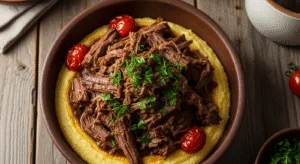
- Polenta: Creamy polenta offers a different texture but still provides that perfect base for the sauce. Its subtle corn flavor complements the stout well.
- Risotto: A creamy mushroom or Parmesan risotto can be a luxurious side, especially for a special occasion.
- Roasted Root Vegetables: Alongside the shanks, serve a medley of roasted carrots, parsnips, and potatoes. Their caramelized sweetness contrasts wonderfully with the savory lamb.
- Crusty Bread: Essential for soaking up every last drop of that glorious sauce!
- Greens: A simple side of steamed green beans, asparagus, or a fresh green salad with a light vinaigrette can cut through the richness and add a refreshing element.
- Wine Pairing: For a drink pairing, a robust red wine like a Cabernet Sauvignon, Syrah, or Zinfandel would be excellent. Of course, another glass of the stout you used for braising is always a fitting choice!
Common Mistakes to Avoid
Even seasoned cooks can sometimes make little slips. To ensure your Stout Braised Lamb Shanks turn out perfect every time, keep these common pitfalls in mind:
- Not browning the lamb adequately: This is perhaps the biggest mistake. Searing the lamb shanks until they have a deep, dark crust is crucial for developing rich flavor. Don’t rush this step, and make sure not to overcrowd the pot.
- Not drying the lamb: If your lamb shanks are wet, they will steam instead of sear, resulting in a pale, less flavorful crust. Pat them thoroughly dry with paper towels before seasoning and dredging.
- Not deglazing the pot: Those browned bits (fond) stuck to the bottom of the pot after searing and sautéing are pure flavor gold. Make sure to scrape them up with a wooden spoon when you add the stout. This is where a lot of the depth comes from.
- Not braising long enough: Lamb shanks need time to become truly tender. If they’re still tough, they simply haven’t cooked long enough. Don’t try to force it; just keep braising until they are fall-off-the-bone tender.
- Lifting the lid too often: Every time you lift the lid during braising, heat escapes, and the cooking temperature drops. This can prolong cooking time and affect tenderness. Try to resist the urge to peek frequently.
- Over-salting: While you need to season generously, remember that the braising liquid will reduce, concentrating the flavors (and salt). It’s always better to undersalt slightly and adjust at the very end.
- Using the wrong kind of stout: While any dry stout will work, avoid sweet or flavored stouts, as they can throw off the balance of the dish. A classic dry Irish stout like Guinness is ideal.
- Not skimming the fat: Lamb shanks release a fair amount of fat. Skimming it off the top of the sauce (especially after chilling) will result in a cleaner, richer-tasting sauce.
By avoiding these common mistakes, you’ll be well on your way to a perfect batch of Stout Braised Lamb Shanks.
Storing Tips for the Recipe
Stout Braised Lamb Shanks is one of those dishes that often tastes even better the next day, once the flavors have had a chance to meld. Proper storage is key to enjoying your leftovers safely and deliciously.
- Cool Quickly: Refrigerate the lamb shanks and sauce within 2 hours of cooking. Dividing the sauce into shallow containers helps it cool faster.
- Refrigeration: Transfer the lamb shanks and plenty of their braising liquid to an airtight container. Store in the refrigerator for up to 3-4 days. You’ll likely notice a layer of solidified fat on top; this can be easily scraped off before reheating if desired.
- Freezing: This dish freezes beautifully! Once completely cooled, transfer individual portions of lamb shank with sauce into freezer-safe containers or heavy-duty freezer bags. Remove as much air as possible to prevent freezer burn. It can be frozen for up to 3 months. Thaw overnight in the refrigerator before reheating.
- Reheating:
- Stovetop: Gently reheat the lamb shanks and sauce in a pot over medium-low heat, stirring occasionally, until they reach 165°F (see the safe temperature chart). If the sauce is too thick, add a splash of beef broth or water.
- Oven: For larger portions, place the lamb shanks and sauce in an oven-safe dish, covered, and reheat in a preheated oven at 300°F (150°C) for 20-30 minutes, or until they reach 165°F.
- Microwave: For single servings, microwave on medium power, stirring halfway through, until they reach 165°F. This method can sometimes dry out the lamb slightly, so add a bit more sauce.
Troubleshooting Common Issues
Even with the best intentions, sometimes things don’t go exactly as planned. Here are some common issues you might encounter when making Stout Braised Lamb Shanks and how to fix them:
- Lamb isn’t tender enough:
- Cause: Not braised long enough.
- Fix: Simply put it back in the oven or slow cooker! Braising liquid ensures it won’t dry out. Continue cooking until it’s falling-off-the-bone tender. Patience is paramount here.
- Sauce is too thin:
- Cause: Not reduced enough, or too much liquid added.
- Fix:
- Reduce: Remove the lamb shanks, bring the sauce to a simmer over medium-high heat on the stovetop, and let it reduce until it reaches your desired consistency.
- Slurry: Create a cornstarch slurry (1 tablespoon cornstarch mixed with 2 tablespoons cold water) and whisk it into the simmering sauce. Cook for 1-2 minutes until thickened.
- Sauce is too thick:
- Cause: Over-reduction, or too much flour used.
- Fix: Whisk in a splash of beef broth, water, or even a little more stout until the desired consistency is achieved.
- Sauce is bland:
- Cause: Not enough seasoning, not enough browning of lamb/vegetables, or not deglazing properly.
- Fix: Taste and adjust! Add more salt, pepper, or a dash of Worcestershire sauce. A squeeze of lemon juice at the end can brighten flavors. If you skipped deglazing, remember it for next time!
- Lamb tastes dry:
- Cause: While rare for braising, it can happen if the shanks aren’t fully submerged in liquid for long periods or if cooked at too high a temperature.
- Fix: Ensure there’s enough braising liquid when reheating. If it’s still dry, shred the meat and mix it thoroughly with the sauce.
- Too greasy:
- Cause: Lamb shanks release a lot of fat.
- Fix: Skim off the fat after braising, especially if you chill the dish overnight. A fat separator jug can be very helpful here.
Most issues with braised dishes are easy to fix. If you’re looking for other comforting, slow-cooked meals that might involve similar troubleshooting, check out our Slow Cooker Beef Stew.
Nutritional Information per Serving
Please note: This is an estimated nutritional breakdown and can vary based on specific ingredient brands, exact portion sizes, and preparation methods (e.g., how much fat is trimmed or skimmed). It’s provided for informational purposes only and is not a substitute for professional nutritional advice.
For one serving of Stout Braised Lamb Shanks (approx. 1 lamb shank with 1 cup of sauce/vegetables):
- Calories: Approximately 650-750 kcal
- Protein: 55-65 g
- Carbohydrates: 25-35 g (including fiber from vegetables and starches from flour/stout)
- Sugars: 5-8 g (natural sugars from vegetables, some residual from stout)
- Fat: 30-40 g
- Saturated Fat: 10-15 g
- Fiber: 3-5 g
- Cholesterol: 150-180 mg
- Sodium: 700-900 mg (can be significantly reduced with low-sodium broth and careful salting)
Key Nutrients: Lamb is an excellent source of high-quality protein, iron, zinc, and B vitamins (especially B12). The vegetables add vitamins A and C, and various minerals.
FAQ
Can I make Stout Braised Lamb Shanks in a slow cooker?
Absolutely! After searing the lamb and sautéing the aromatics on the stovetop, transfer everything to your slow cooker. Cook on low for 6-8 hours or on high for 3-4 hours, until the lamb is fall-off-the-bone tender. You might need to reduce the sauce on the stovetop afterward if you prefer a thicker consistency.
What kind of stout is best for braising?
A dry Irish stout, like Guinness, is ideal. Its roasted barley notes and slightly bitter finish add incredible depth without making the dish overly sweet. Avoid cream stouts or flavored stouts, as they can alter the intended flavor profile.
Can I use a different type of meat?
Yes, you can adapt this recipe for other cuts. Beef short ribs or beef chuck roast would work wonderfully with the stout braising liquid, creating a similar rich and tender result. Adjust cooking times accordingly; beef short ribs might take a similar amount of time, while a large chuck roast might need longer.
How do I know when the lamb shanks are fully cooked?
The best indicator is tenderness, since braised shanks cook far past the 145°F minimum for lamb. The meat should be incredibly tender, easily pulling away from the bone with a fork. It shouldn’t offer any resistance. If it’s still tough, it needs more time in the braising liquid.
Can I prepare this dish ahead of time?
Yes, this dish is fantastic for making ahead! In fact, the flavors often deepen and improve overnight in the refrigerator. Prepare the entire recipe, cool it completely, and store it in an airtight container in the fridge for up to 3-4 days. Reheat gently on the stovetop or in the oven.
Conclusion
These Stout Braised Lamb Shanks pair tender lamb with a deeply savory sauce, and they work for guests, a special occasion or a treat for yourself. The cook time is long, but it is mostly hands-off.
Serve with mashed potatoes or polenta to soak up the sauce.
Why Stout and a Long Braise Work for Lamb Shanks
The shank is a heavily worked muscle with abundant connective tissue that only breaks down after about 3 hours of low, moist heat. The stout adds bitterness and roasted malt notes that balance the richness of the lamb fat; a lighter beer would simply disappear into the braise. Searing the shanks until deeply browned on all sides before braising builds much of the flavor. Reducing the braising liquid while the shanks rest turns it into a proper sauce rather than a thin broth.