Best Diamond Cut Steak with Garlic Butter Sauce
Diamond cut sirloin steak: scored, pan-seared in cast iron, then basted with garlic, thyme and butter. Serves 2 and takes 37 minutes including the rest.
Prep
15 min
Cook
12 min
Total
37 min
Servings
2 servings
Ingredients
Tools that make this easier
Optional — the recipe works without them.
As an Amazon Associate, I earn from qualifying purchases.
- Most useful here 12-Inch Cast-Iron Skillet Sears the scored sirloin hot, then holds the garlic butter for basting. Check price on Amazon
- Instant-Read Thermometer Reads the steak's internal temperature so it leaves the pan at the doneness you want. Check price on Amazon
- Silicone-Tip Tongs Turns the steaks in the hot pan without piercing them. Check price on Amazon
Instructions
- 1
Pat steaks thoroughly dry with paper towels. Score shallow diamond pattern on one side of each steak, about 1/8 inch deep. Season both sides generously with salt and black pepper.
- 2
Place heavy-bottomed skillet over high heat. Preheat for 3-5 minutes until smoking slightly. Add olive oil and swirl to coat pan.
- 3
Carefully place seasoned steaks into hot pan, scored side down first. Sear for 2-3 minutes per side, without moving too much; continue cooking as needed until the thermometer target in the doneness step is reached.
- 4
Reduce heat to medium-low. Add unsalted butter, minced garlic, dried thyme, and fresh rosemary sprig to pan.
- 5
Tilt pan and use spoon to baste melting butter and garlic mixture over steaks for 1-2 minutes.
- 6
Use an instant-read thermometer in the thickest part of each steak. Cook until it reaches 145°F before removing it from the heat, then rest for at least 3 minutes.
- 7
Transfer steaks to cutting board and loosely tent with foil. Rest for 5-10 minutes.
- 8
Slice steak against the grain. Drizzle with remaining pan sauce and garnish with fresh chopped parsley.
Used in this recipe: 12-Inch Cast-Iron Skillet Instant-Read Thermometer Silicone-Tip Tongs (Amazon, affiliate links)
Notes
Tips for Success
- Perfectly seared with golden-brown crust
- Tender and juicy interior
- Rich, aromatic garlic butter sauce
- Restaurant-quality results at home
- Simple technique with impressive results
Common Mistakes to Avoid
- Can smoke excessively if pan too hot
- Garlic can burn easily if not careful
- Steak can become tough if overcooked
- Requires proper resting time for juiciness
- High in saturated fat and calories
Nutrition (per serving)
600-750 kcal
Calories
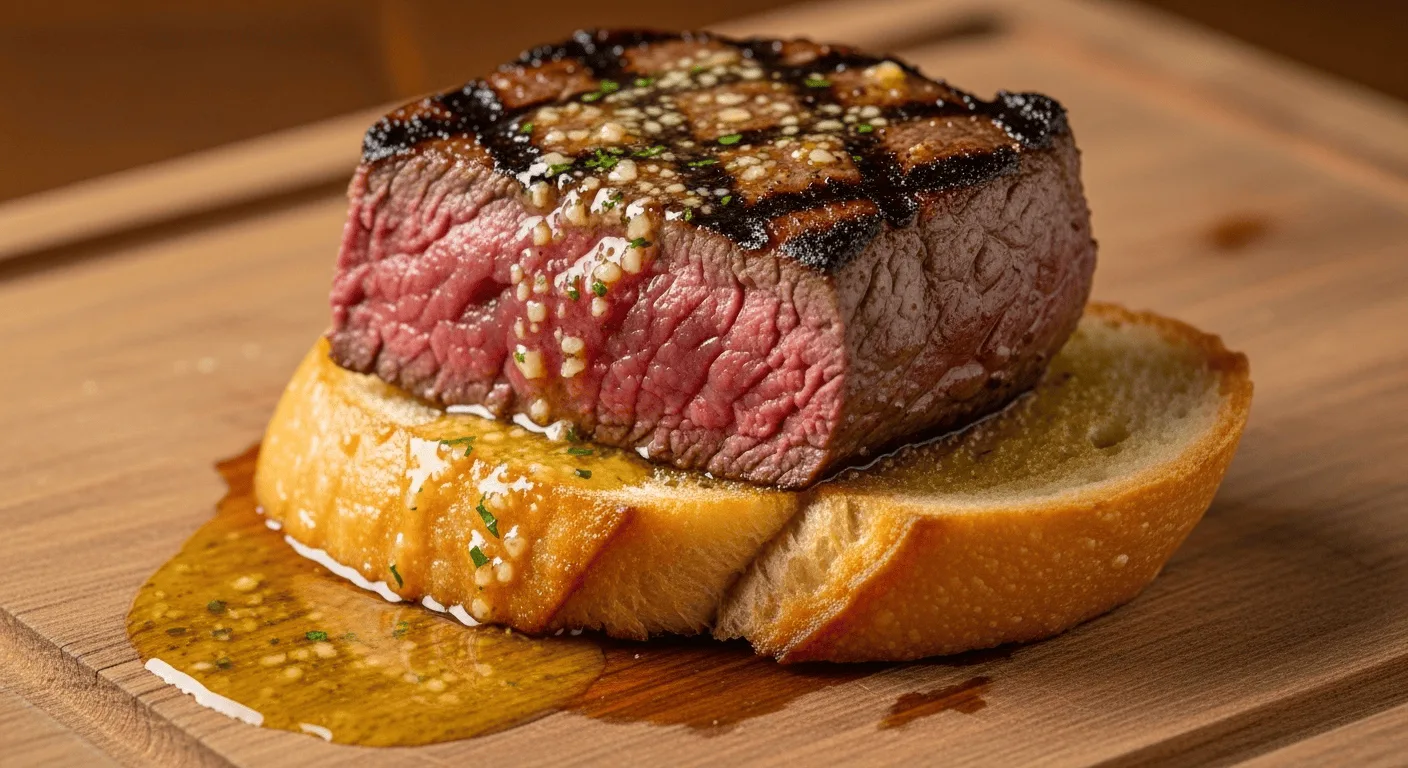
A diamond cut steak with garlic butter sauce is a standard pan-seared steak with one extra step: before cooking, you score a shallow cross-hatch pattern into one side of the meat. Those cuts give the seasoning more places to settle, create more edges to brown, and let the garlic butter run into the steak when you baste it at the end. The recipe serves two, uses sirloin rather than an expensive cut, and takes about 37 minutes including the rest.
Table of Contents
You need one heavy skillet, an instant-read thermometer and about 12 minutes at the stove. The sauce is made in the same pan once the steak is seared, so there is nothing extra to wash.
Ingredients
For the steak:
- 2 sirloin steaks (8–10 oz each): About 1 to 1½ inches thick is ideal; thinner steaks overcook before they brown. Ribeye or New York strip also work. “Diamond cut” describes the scoring, not a butcher’s cut, so ask for regular sirloin.
- 1 tbsp olive oil: Or avocado oil, which handles the high searing heat with less smoke.
- 1 tsp salt: Kosher or sea salt.
- ½ tsp black pepper: Freshly ground.
For the garlic butter sauce:
- 4 tbsp unsalted butter: Unsalted lets you control the seasoning, since the steak is already salted.
- 4–5 cloves garlic, minced.
- ½ tsp dried thyme (or 1 tsp fresh thyme leaves).
- 1 sprig fresh rosemary: Optional, for basting.
- 1 tbsp fresh parsley, chopped: For garnish.
Substitutions and What Changes
- Ribeye instead of sirloin: Richer and more forgiving because of the extra fat, but it smokes more in the pan. Turn the heat down slightly.
- Flank or skirt steak: Much thinner, so expect it to be done in a few minutes total. Score it lightly and always slice across the grain.
- Salted butter: Fine to use; cut the salt on the steak to about ¾ tsp.
- Lighter sauce: Use 2 tbsp butter and add a splash of low-sodium beef broth to the pan with the garlic. You get a thinner, less rich pan sauce with the same garlic flavor.
- Garlic powder: ½ tsp can stand in for fresh garlic, but the sauce will be flatter and won’t have the toasted garlic bits.
How to Score and Pan-Sear the Steak
Plan on 15 minutes of prep, about 12 minutes of cooking and 10 minutes of resting. If you have time, take the steaks out of the fridge 30 minutes before cooking so they cook more evenly. Measure out the butter, garlic and herbs before the pan goes on, because the basting stage moves quickly.
- Dry and score: Pat the steaks very dry with paper towels. With a sharp knife, score one side of each steak in a diamond pattern: parallel lines about ½ inch apart and ⅛ inch deep, then a second set at an angle. Don’t cut deeper; the steak will curl and lose juice. Season both sides with the salt and pepper.
- Heat the pan: Preheat a cast iron or heavy stainless skillet over high heat for 3–5 minutes. Add the oil; it should shimmer immediately.
- Sear: Lay the steaks in scored side down and leave them alone for about 3 minutes, until a deep brown crust forms and they release easily. Flip and sear the second side for another 2–3 minutes.
- Baste with garlic butter: Lower the heat to medium-low. Add the butter, and once it has melted add the garlic, thyme and rosemary. Tilt the pan and spoon the foaming butter over the steaks for 2–4 minutes. The scored surface soaks it up.
- Check the temperature: Push an instant-read thermometer into the thickest part. The USDA safe minimum for steak is 145°F followed by a 3-minute rest. Keep cooking until the thermometer reads 145°F before taking the steaks off the heat; then rest for at least 3 minutes. Total cooking time is usually 8–12 minutes, depending on thickness.
- Rest: Move the steaks to a board, tent loosely with foil and rest 5–10 minutes. Keep the pan off the heat so the garlic doesn’t burn.
- Slice and serve: Slice against the grain, spoon the garlic butter from the pan over the top and sprinkle with parsley.
Sides That Go with Garlic Butter Steak
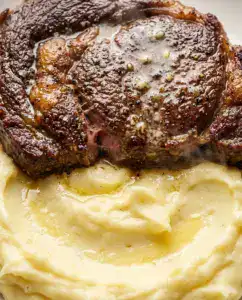
Anything that can soak up the pan butter works well. Mashed potatoes are the classic choice; this steak and mashed potatoes dinner walks through a full plate built around them. Crispy loaded baked potatoes are a heartier option if you want a steakhouse-style meal.
To balance the richness, add something green and sharp: roasted asparagus or green beans, or a simple salad dressed with lemon and olive oil. Crusty bread is useful for the last of the sauce. If you have leftover sirloin, it slices well into a quick steak and broccoli stir-fry the next day, or you can go all-in on butter with stick of butter steak and rice.
Why the Steak Turns Grey, Tough or Bitter
- Grey surface, no crust: The steak was wet, the pan wasn’t hot enough, or both steaks didn’t fit comfortably. Dry the meat thoroughly, wait until the oil shimmers, and use a 12-inch pan or cook one steak at a time.
- Stuck to the pan: It was moved too early. A properly seared steak releases on its own once the crust forms.
- Tough, dry steak: Usually overcooked or cut straight away. Use a thermometer rather than guessing, rest it for the full 5–10 minutes, and slice against the grain.
- Bitter sauce: The garlic burned. Always lower the heat before the butter goes in, and add the garlic only after the butter has melted. If the garlic turns dark brown, it’s gone too far.
- Too much smoke: A little is normal. Heavy smoke means the pan is too hot for the oil; switch to avocado oil, open a window and turn the heat down a notch.
- Thin sauce: This is meant to be a spoonable butter, not a gravy. For more body, whisk in one more small piece of cold butter off the heat.
Storing and Reheating Leftover Steak
Refrigerate leftover steak and sauce in an airtight container within 2 hours of cooking and eat within 3–4 days. Storing the slices in the leftover butter helps keep them moist. Cooked steak can be frozen for 2–3 months, wrapped tightly, but expect a drier texture after thawing; thaw it in the fridge overnight.
Reheat slices in a skillet over low heat with a splash of broth or water, or in short bursts in the microwave, until they reach 165°F. Thin slices heat through quickly, so check often. For a full list of safe temperatures, see FoodSafety.gov’s safe minimum internal temperature chart.
FAQ
What does “diamond cut steak” mean, and is it necessary?
It means scoring one side of the steak in a shallow cross-hatch pattern. It’s optional, but it gives you more browned edges, helps the salt and garlic butter reach into the meat, and slightly shortens the chew on firmer cuts like sirloin.
Can I use a different type of pan besides cast iron?
Yes. A heavy stainless steel skillet holds enough heat for a good sear. Avoid nonstick pans; most aren’t made for the high heat searing needs and won’t brown as well.
Can I check doneness without a thermometer?
Not reliably. The finger-press test and the color of the meat both vary with the cut and thickness. An inexpensive instant-read thermometer is the only way to know the steak has reached 145°F.
Can I make the garlic butter ahead?
You can mince the garlic and chop the herbs up to a day ahead and keep them covered in the fridge. Melt the butter with them in the pan only when you baste; pre-made garlic butter doesn’t pick up the browned bits from the steak.